

Center for Machine Learning and Health
2025 Fellowships in Generative AI for Women's Health That Enables Self-Directed Patient Safety
Meet the 2025 CMLH Fellows in Generative AI for Women's Health that Enables Self-directed Patient Safety
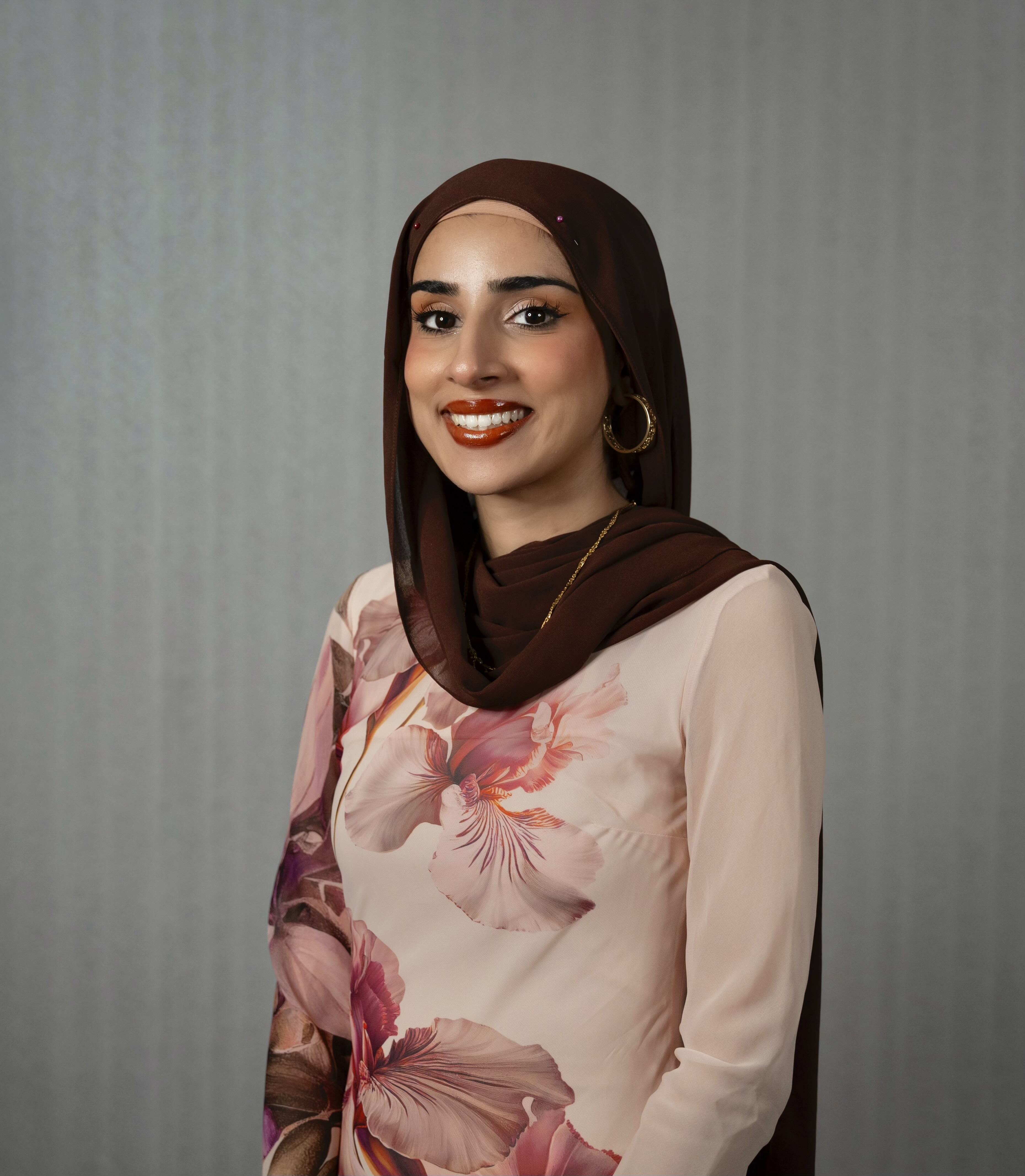
Zulekha Karachiwalla is a Ph.D. student in the Robotics Institute advised by Associate Professor Henny Admoni. Her research leverages user-centered design to develop accessible assistive technologies within the healthcare field. She designs technology for both healthcare providers, such as robotic solutions that support clinical workflows, and patients, including tangible user interfaces and AI-driven tools for chronic disease self-management. She employs mixed-methods approaches, from ethnographic observation to co-design workshops, to ensure technologies align with real-world needs. She is most passionate about employing assistive technology in women's health to aid in symptom management, symptom understanding, patient-provider communication and patient self-advocacy.
Fellowship Research: “Learning From Touch: A Gesture-Based AI System for Endometriosis Symptom Tracking and Summarization”
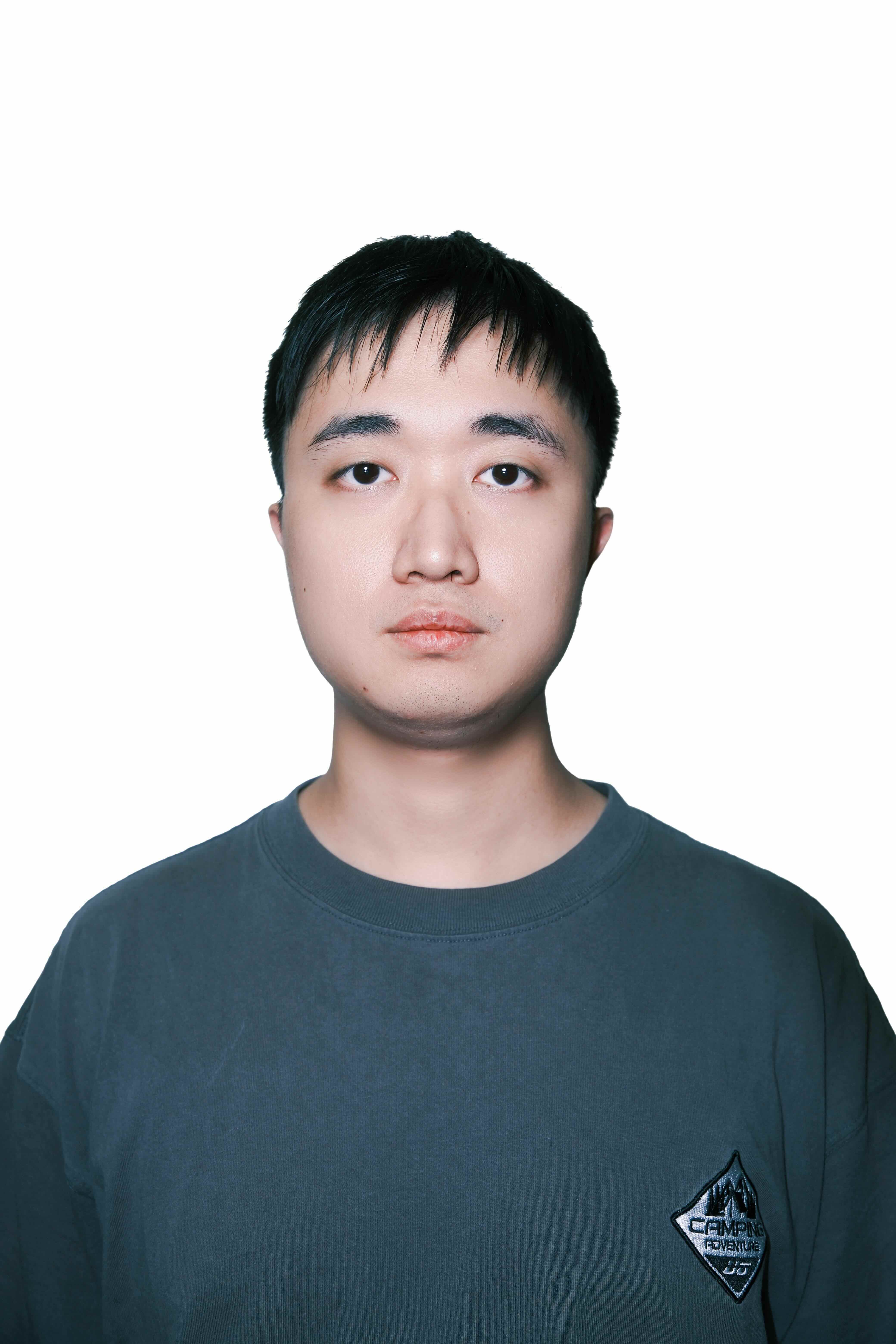
Yingtao Luo is a Ph.D. candidate in Machine Learning and Public Policy advised by Professor Rema Padman. His research focuses on long-horizon sequential decision-making and agentic AI, with an emphasis on reinforcement learning for planning, reasoning and human-aligned decision support in healthcare. He also works extensively on LLM agents and foundation models, including post-training and fine-tuning of multimodal large language models, agentic deep research systems, and representation learning for efficient retrieval and reasoning. His recent work includes a data-centric study of LLM-empowered patient–physician communication, examining how generative models can improve safety, clarity and trust in medical interactions. Prior to his doctoral studies, Yingtao earned a master’s degree from the University of Washington and a bachelor’s degree from Huazhong University of Science and Technology.
Fellowship Research: “Agentic Generative AI Copilot for Pregnancy-Associated Cardiovascular Safety”
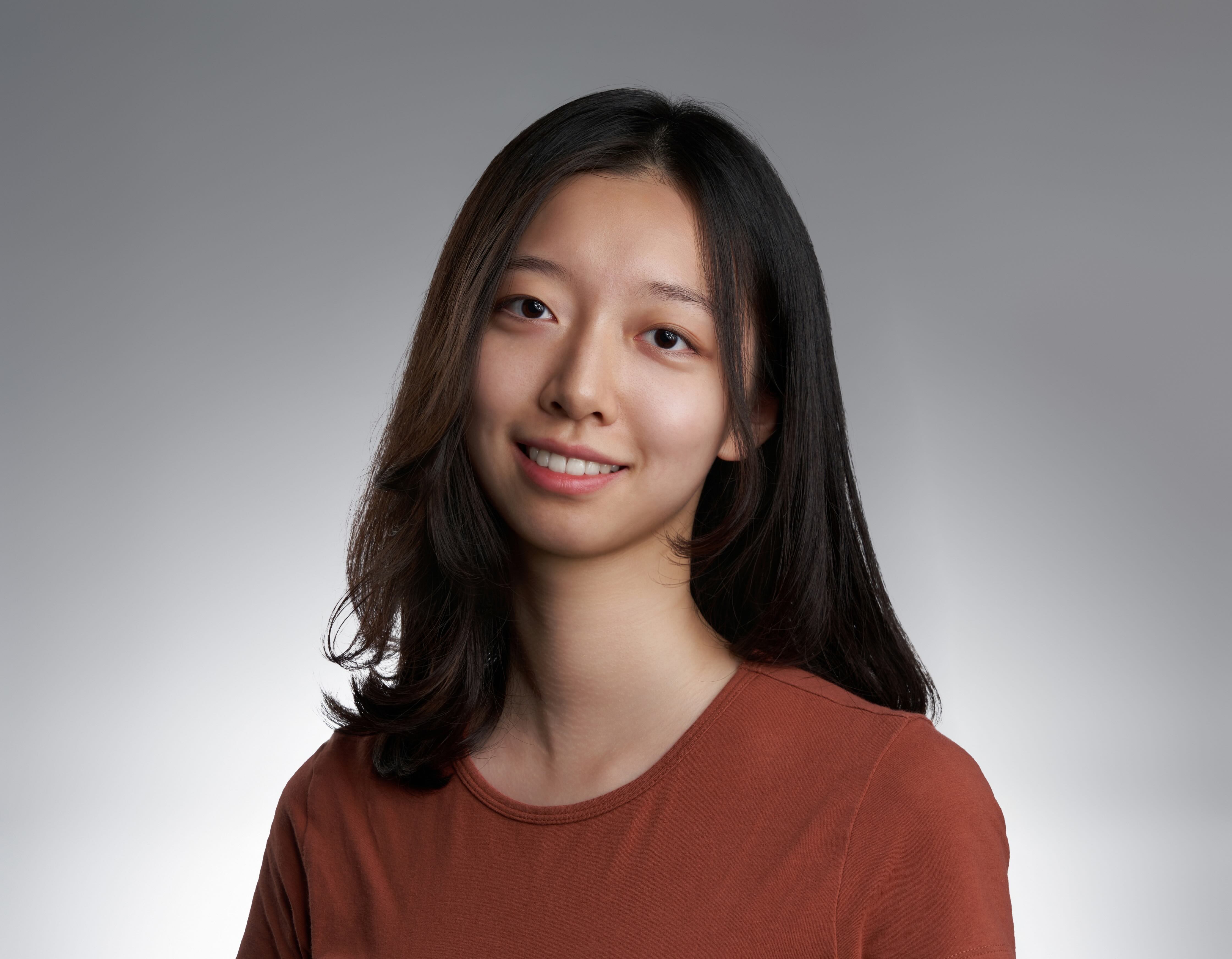
Yuemin Mao is a Ph.D. student in the Robotics Institute, advised by Professor Jeffrey Ichnowski. Her research focuses on leveraging acoustic sensing to improve performance in dynamic and contact-rich robotic manipulation. Currently, she is applying acoustic sensing to human hands to study contact during hand-object interactions, and extending the same approach to robot end effectors to learn rich representations for complex behaviors. By developing a physics-grounded understanding of contact, her work aims to enable human-level robotic dexterity and inform the design of safe, self-directed devices for physical therapy. Prior to her doctoral studies, she received her bachelor’s degree in mechanical engineering and robotics at CMU.
Fellowship Research: "Robotic Foundations for Self-Directed Pelvic Floor Physical Therapy"
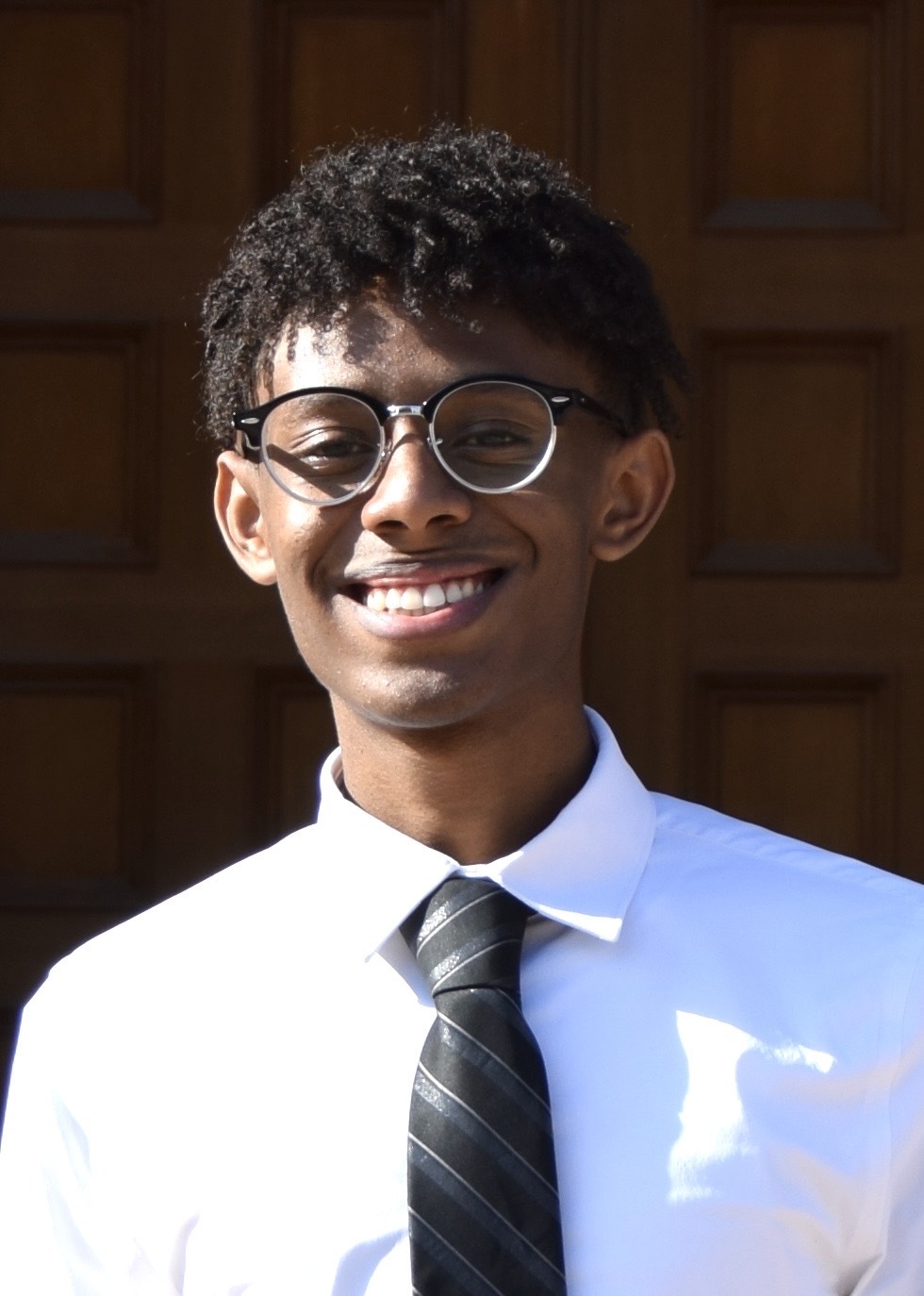
Rabira Tusi is an M.D./Ph.D. student in the Neuroscience Institute mentored by Professor Pulkit Grover. His research integrates wearable sensing, computational modeling and noninvasive neuromodulation to develop mechanistically guided tools to improve care for chronic pain and menopause-related symptoms. Currently, he is developing a wrist-based, wearable system for automated hot flash detection and a computational neuron model to enable AI-guided waveform design for pulsed transcranial electrical stimulation (pTES) in the treatment of postmenopausal depression. He received his bachelor’s degree in neuroscience at the University of California, Los Angeles, prior to joining CMU.
Fellowship Research: “Generative AI–Enabled Measurement and Personalized Neuromodulation for Menopause-Related Vasomotor Symptoms and Depression”