
Hello,
I am a Human-Computer Interaction researcher. My research interests lie at the intersection of ubiquitous computing, health informatics, and applications in real-world problems of health and social connections.
My research aims to bring about a more personalized and a
more meaningful future for mobile and ubiquitous computing by tracking and making sense of the simple actions that people do in their everyday lives to reveal rich behavioral patterns and help people achieve their goals. My research uses reflection and visualization of data as a means to foster better collaboration and communication patterns to help people get their work done.
I am currently a research scientist at FXPAL, located near Palo Alto, California. Prior to joining FXPAL, I started an HCI group in personal and connected health at Philips Research North America, now located in Cambridge, MA, formerly in near New York City.
I enjoy collaborating with others in academia and industry, so please contact me if you would like to discuss a project together.
Research & Design
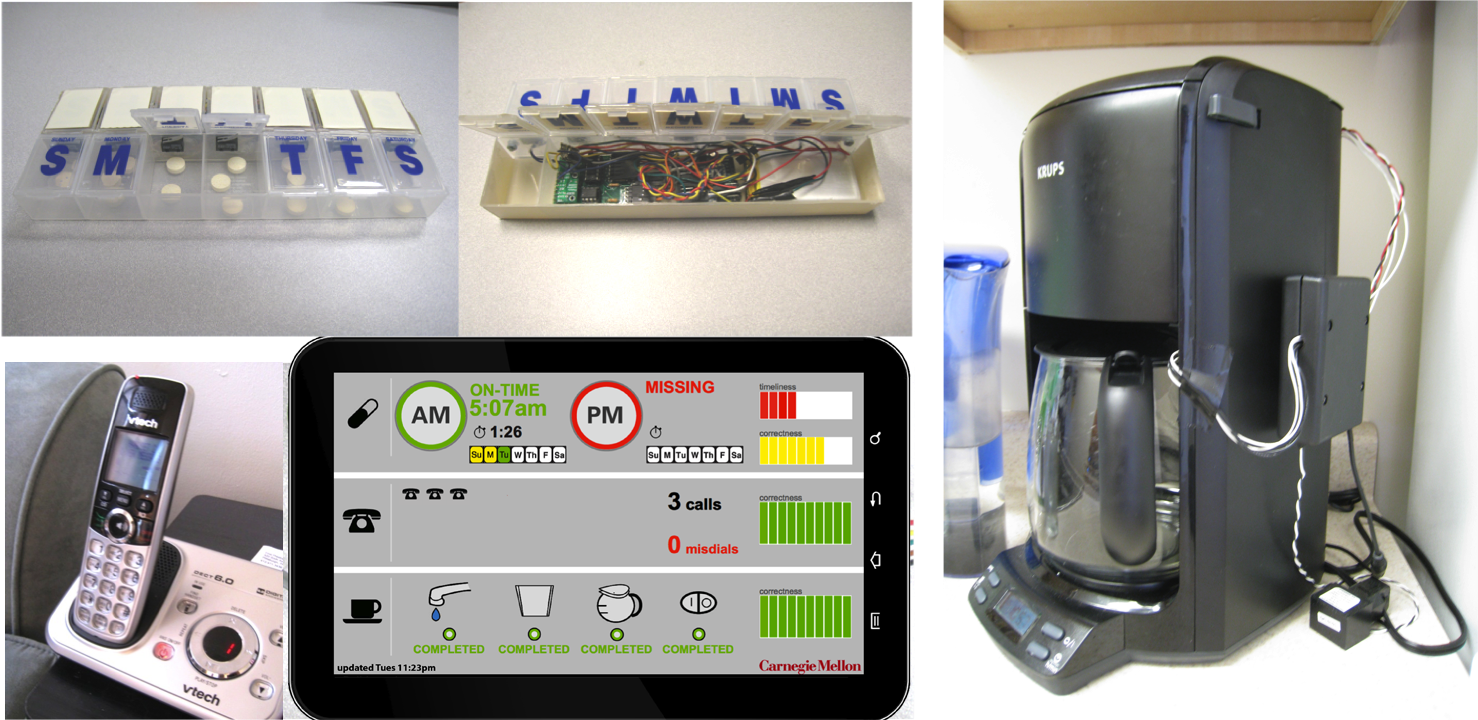
dwellSense
Wellness through sensing and reflection
A integrated Internet-of-Things system for sensing, rating, and reflecting on how older adults carry out tasks for indepedence. It combines unobtrusive sensing, heuristic-based activity recognition, and multiple forms of feedback mechanisms based on behavioral theory to empower individuals with greater self awareness of their abilities and empower clinicians and caregivers with early, actionable signs of cognitive or functional decline in older adults.
Lee, M.L. and Dey, A.K. 2014. Real-time Feedback to Improve Medication Taking. CHI 2014 (Best Paper Award) (abstract) (pdf)
Lee, M.L. and Dey, A.K. 2014. Sensor-based Observations of Daily Living for Aging in Place. Personal and Ubiquitous Computing. September 2014, pages 1-17. (abstract)
Lee, M.L. Task-based Embedded Assessment of Functional Abilities for Older Adults Doctoral Dissertation, August 2012 (abstract) (pdf)
Lee, M.L. and Dey, A.K. 2011. Reflecting on Pills and Phone Use: Supporting Self-Awareness of Functional Abilities for Older Adults. CHI 2011 (Best Paper Honorable Mention) (pdf)
Lee, M.L. and Dey, A.K. 2011. Smart Lifelogging Technology for Episodic Memory Support. In Smart Healthcare Applications and Services: Developments and Practices. Röcker, C. & Ziefle, M. (Eds.) IGI Global, 2011. (link)
Lee, M.L. and Dey, A.K. 2010. Embedded Assessment of Aging Adults: A Concept Validation. In Proceedings of PervasiveHealth 2010.
(pdf)
Lee, M.L. 2010. Creating Salient Summaries of Home Activity Lifelog Data. CHI 2010 Doctoral Consortium. (pdf)
Press:
"CMU to research sensors to track elderly" (Pittsburgh Post-Gazette)
"Testing The Ability Of Embedded Sensors To Detect Onset Of Dementia, Infirmity" (Medical News Today)
"High tech helps elderly, impaired" (Pittsburgh Tribune-Review)
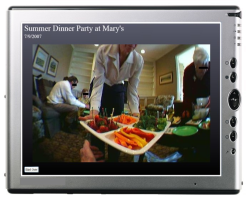
MemExerciser
Capturing missing memories for Alzheimer's disease.
An experience capture and access system designed specifically for individuals with episodic memory impairment such as those with Alzheimer's disease. The system records the user's personal experiences with wearable ubiquitous sensors, leverages both automated content/context analysis as well as the expertise of the human caregiver to highlight the most salient memory cues, and presents the cues in a way that enables people with Alzheimer's to engage in memory-exercising reminiscence of recent meaningful experiences.
Lee, M.L. and Dey, A.K. 2008. Lifelogging Memory Appliance for People with Episodic Memory Impairment. Proceedings of the 10th International Conference on Ubiquitous Computing, (abstract) (pdf)
Lee, M. L. and Dey, A. K. 2007. Providing good memory cues for people with episodic memory impairment. In Proceedings of the 9th international ACM SIGACCESS Conference on Computers and Accessibility 2007. (abstract) (pdf)
Press:
A Little Black Box to Jog Failing Memory
The New York Times
A Helping Hand from a Robot
National Public Radio, IEEE Spectrum, NSF

Patient Engagement Tools
Assessing and coaching patients through behavior change
Tools to support assessing the psychosocial factors that moderate behavior change and presenting these assessments to health coaches and the care team to engage the patient in behavior and lifestyle modification.
Hospital to Home: supporting patients to self-care (youtube)

Caregiver Coordination
Connecting individuals to create a circle of care
A web/mobile system designed for family members to coordinate the tasks, communication, and information important helping a loved one remain independent in their home.
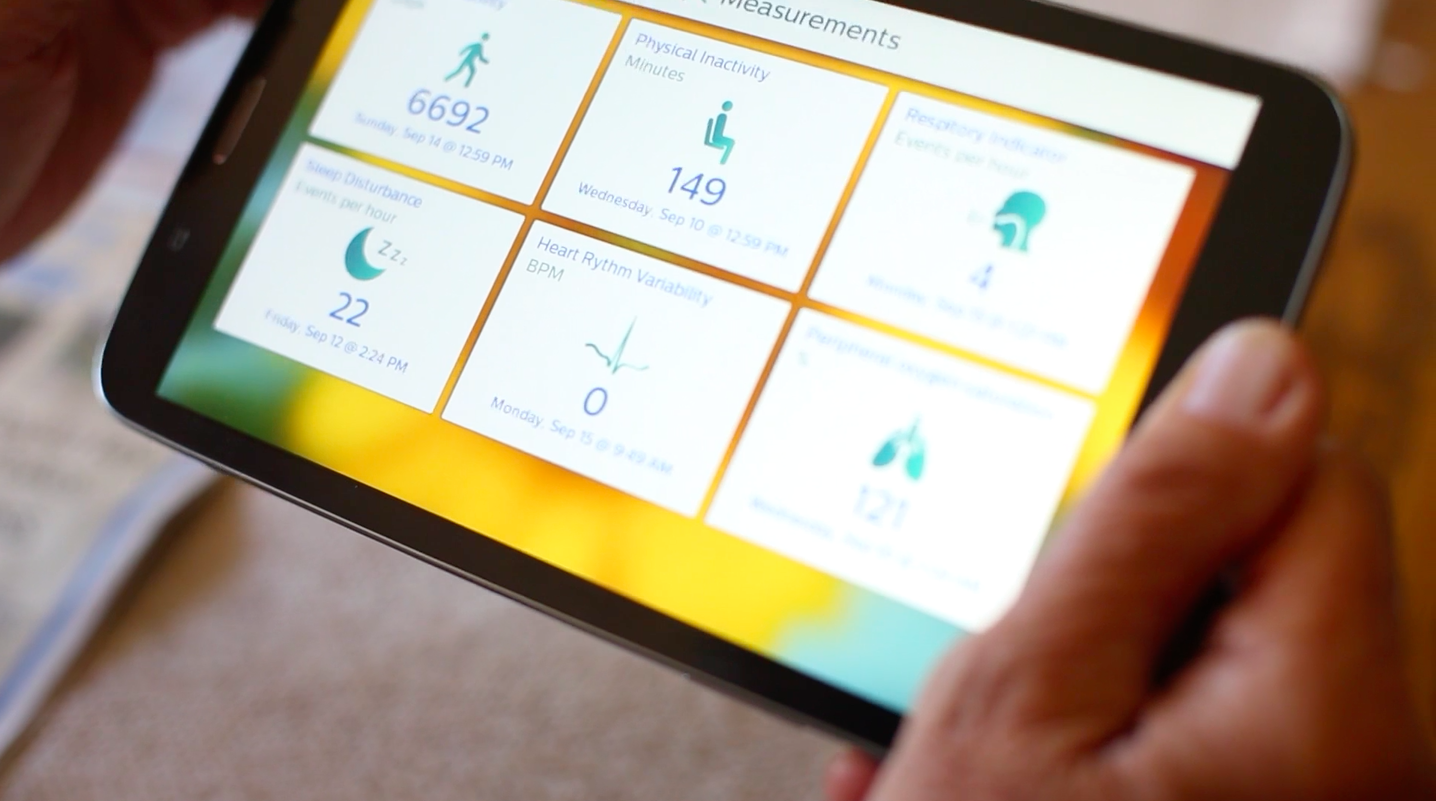
Patient Portal
Engaging patients with their own data
Developed and evaluated a web portal through which patients can access their medical information and communicate with their health care professionals. The eCareCompanion tablet appl enables remote video visits, tailored education, and online access to medical information and scheduling.

Disease Journey
Supporting health literacy for newly diagnosed patients
An interactive, personalized tool to help individuals who are newly diagnosed with a condition to receive specifically tailored information, engage in shared decision making and goal setting/achievement.
CV
Download my CV here.
Contact
Email: matt [ at ] mattllee.com