| 25 Rows |
|---|
 Altmarkite
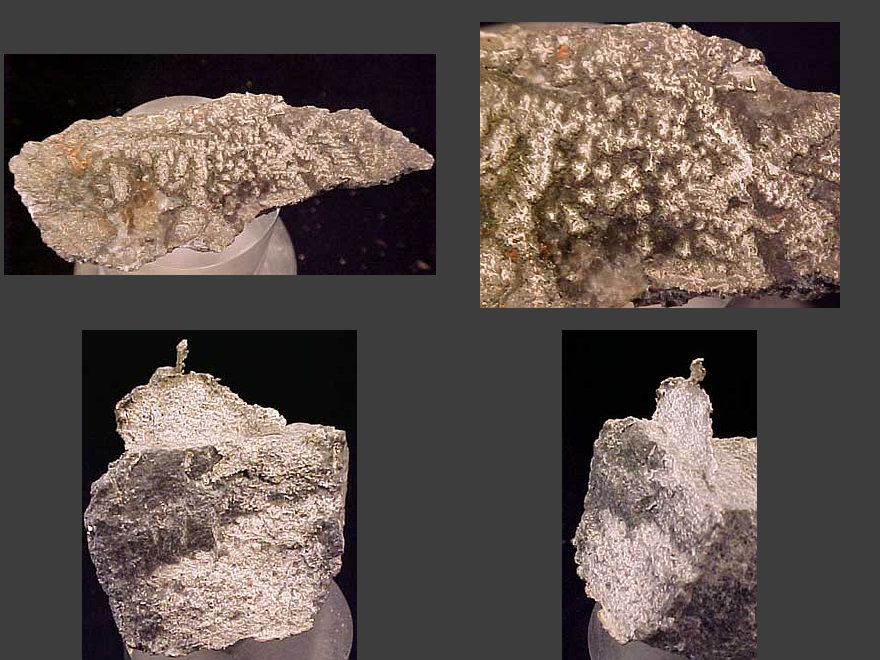
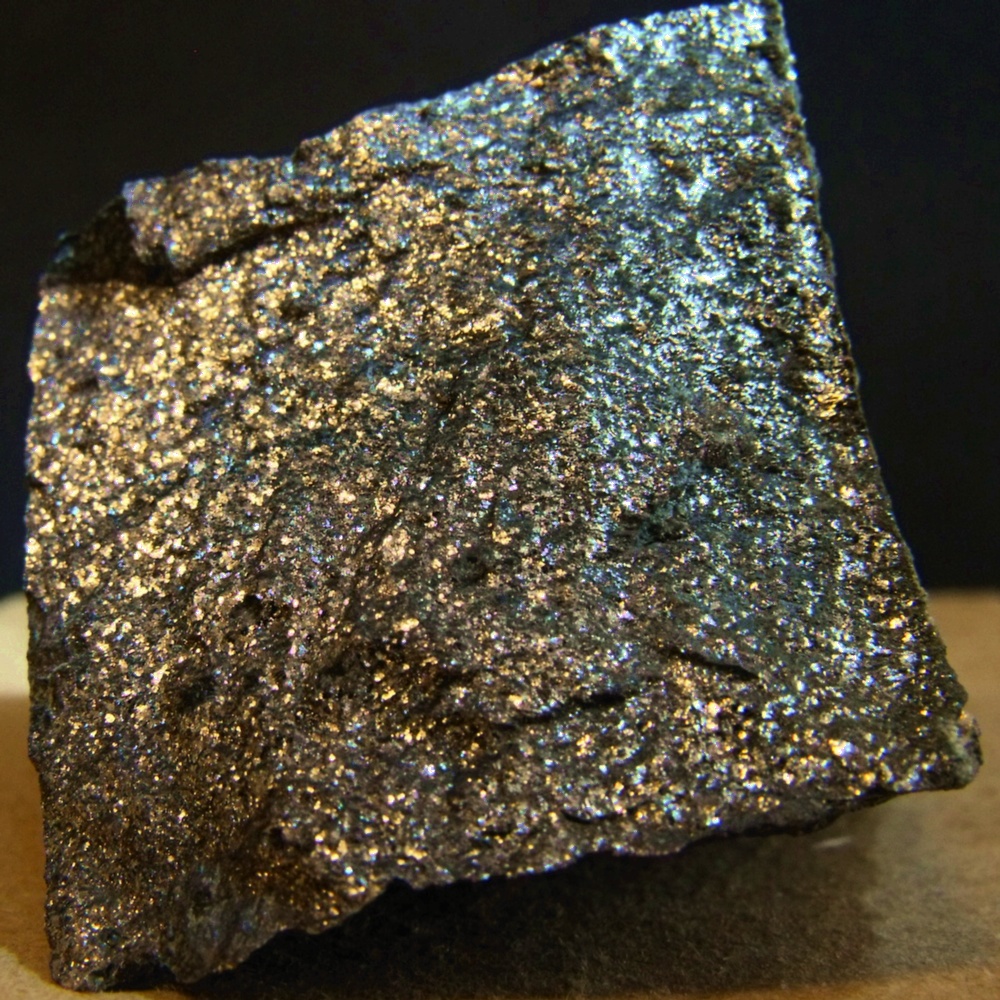
 (or leadamalgam) is a lead mercury amalgam found in a refinery stack in Salzwedel, Altmark, Germany. It's also found in China and Mexico - the Chinese site is the official type locality for leadamalgam. Thanks to Thomas Bee's auction on eBay for the specimen and the image! | |
|
 Antimony
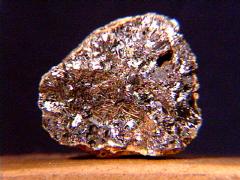
A brilliant half nodule thumbnail of antimony from the Tom Moore Mine, Erskine Creek mining district, Kernville, Kern County, California. The closeup shows some fine needles of cream-colored valentinite, antimony oxide, and stibnite trapped inside!. The outside is encrusted with a thin (yellow-phosphorescing) layer of various antimony oxides - stibiconite, valentinite, and/or cervantite. Thanks to Sharon Cisneros at the Mineralogical Research Company for the specimen! | |
|
 Arsenic
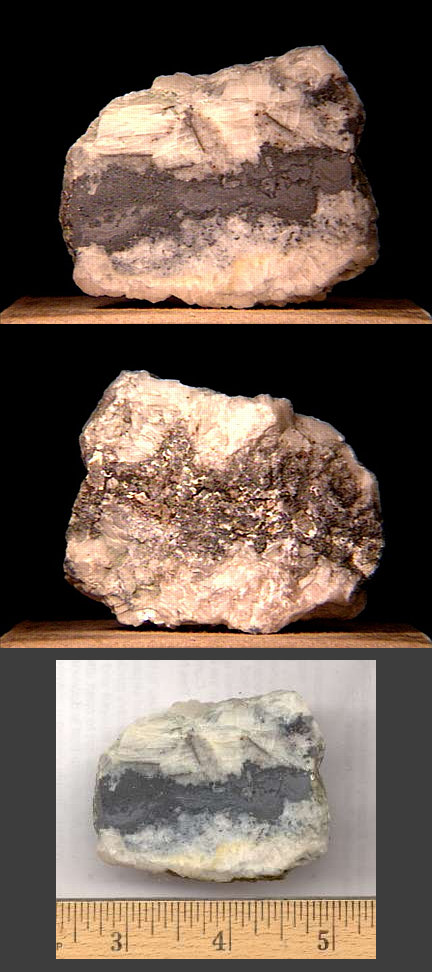
A rare miniature of arsenic in calcite from St. Andreasberg, Harz, Germany. Thanks to Thomas Bee's auction on eBay for the specimen and the image! |
|
| Row 2 |
|---|
 Auricupride
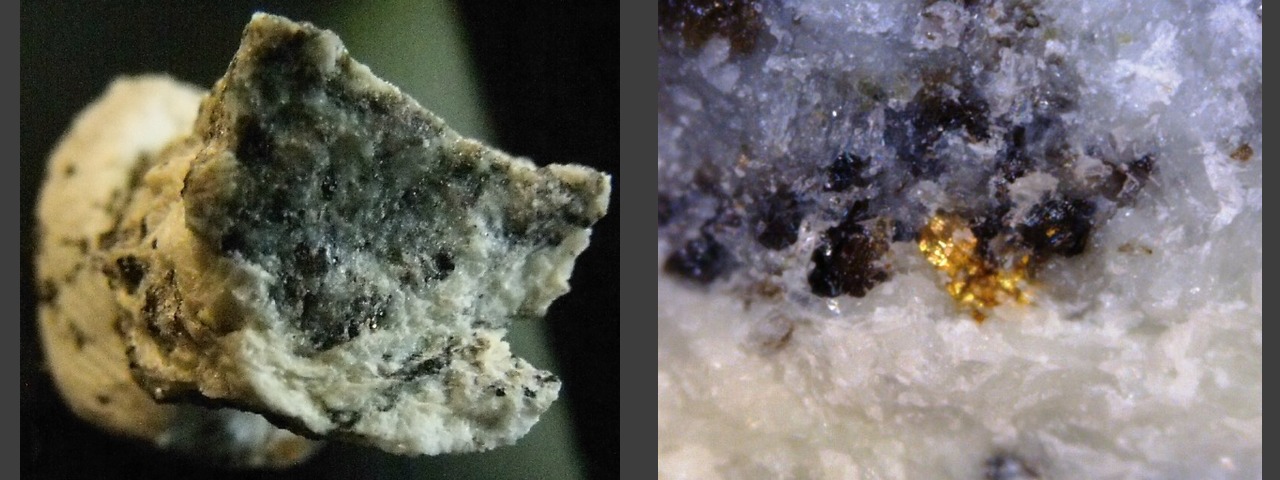
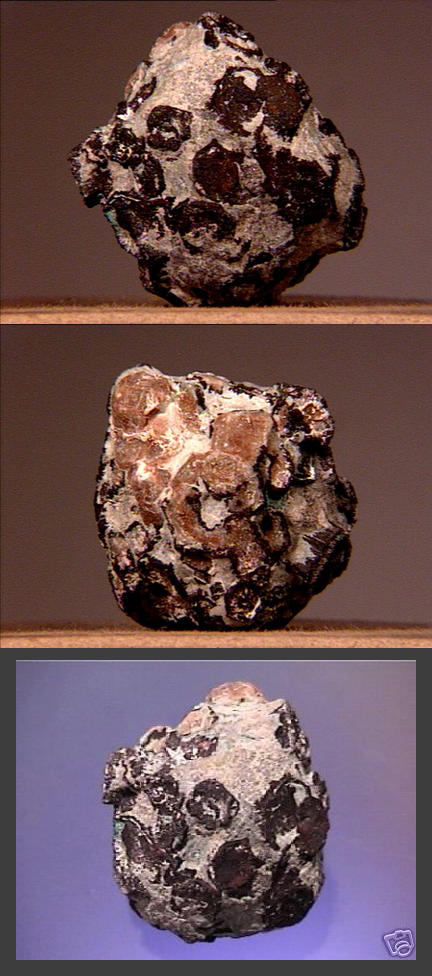
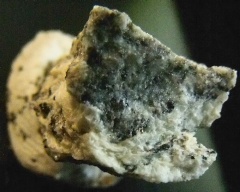
An excellent micro of metallic pink auricupride (a natural gold-copper alloy) on matrix (larger image, right) from the type locality of Karabash, Chelyabinsk Oblast', Southern Urals, Russia. Thanks to Chris Stefano's Christopher J. Stefano Fine Minerals auction on eBay for the specimen and the image! | |
|
 Awaruite, var.
Josephinite
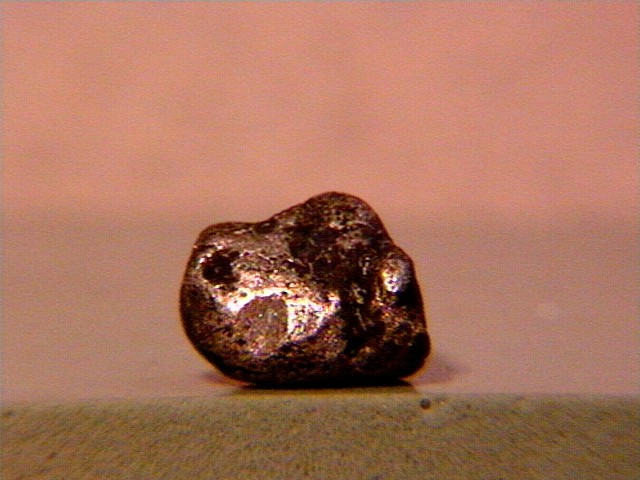
Usually, josephinite is a synonym for awaruite, a native iron-nickel "alloy" of varying composition - recent studies have shown it to be more complex. Older references consider it to be a nickel-rich awaruite (FeNi3 v FeNi2). It is essentially pieces of the earth's deep mantle that have been brought to the surface (and subsequently weathered out) by magma (mantle) plumes. This thumbnail nodule, like all true josephinites, comes from the Josephine Creek area in Josephine County, Oregon. Thanks to Thomas Bee's auction on eBay for the specimen! | |
|
 Bismuth
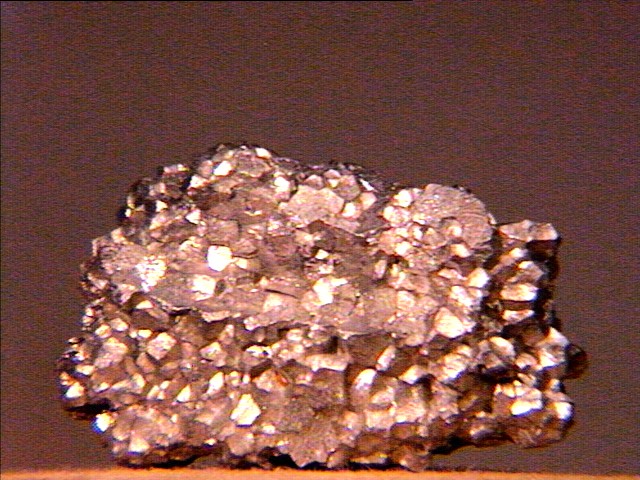
This miniature is from a lab in Germany - native bismuth is much less interesting. Note all the "hopper" crystals - their edges grew faster than their centers. Bismuth has also been found in moon rocks. |
|
| Row 3 |
|---|
 Bismuth
A bismuth nugget thumbnail from the Vilaque River area in the La Paz department of Bolivia. This location is a fluvioglacial deposit eroded from high-temperature bismuth-cassiterite veins at about 14,000 feet above sea level. Thanks to Adam Larson's Adam's Minerals auction on eBay for the specimen! Thanks also to Alfredo Petrov for the location update and information! |
|
 Bismuth
Another synthetic bismuth "ornament" - this "tiara" cabinet piece was grown by Ken Keraiff on May 15 2003 at Krystals Unlimited, Castlegar, British Columbia, Canada. Thanks to Ken Keraiff's auction on eBay for the specimen! | |
|
 Bismuth
A very thin layer of tarnished bismuth coats this miniature from the Colonial Mine, Coleman Township, Cobalt area, Timiskaming District, Ontario, Canada. I've saturated the colors in this image to bring out the pastel colors. Thanks to Darrel Merke's (Proton Minerals) auction on eBay for the specimen and the images! |
|
| Row 4 |
|---|
 Chromium
One ounce worth of ultra-high purity chromium crystals - some of which are twinned. Thanks to Susan & Ed Piatek's auction on eBay for the specimen! |
|
 Chromium
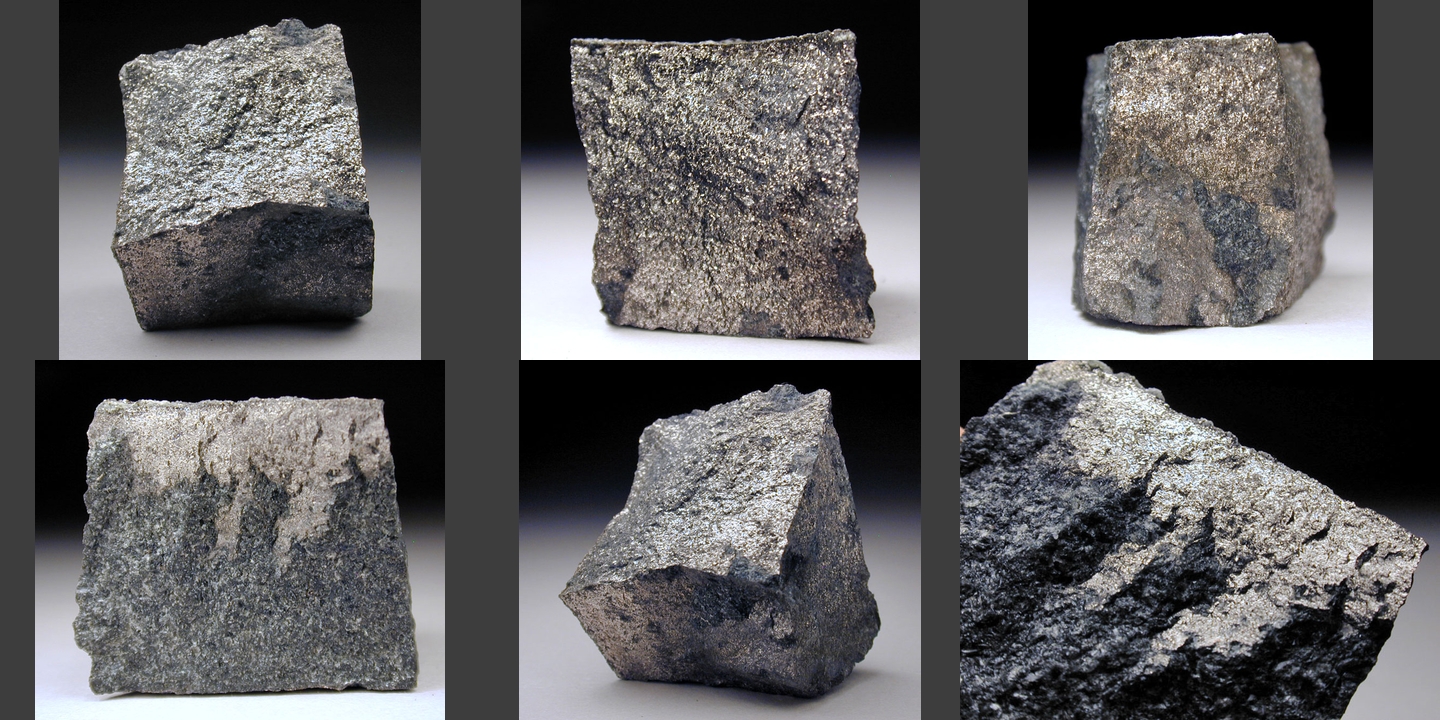
Small cabinet chunks of high-purity (98+%) chromium from a deposit in Sichuan, China. The larger image shows all three pieces - they weigh about one and a half pounds total and are very hard (9 on the Mohs scale) and shiny. Unfortunately, this is merely leftover slag from the huge Sichuan chromite refinery. MinDat does consider Sichuan to be the type locality) for the submillimeter grains mentioned above. Thanks to Mike & Pat Torkelson for the specimens! |
|
 Cobalt
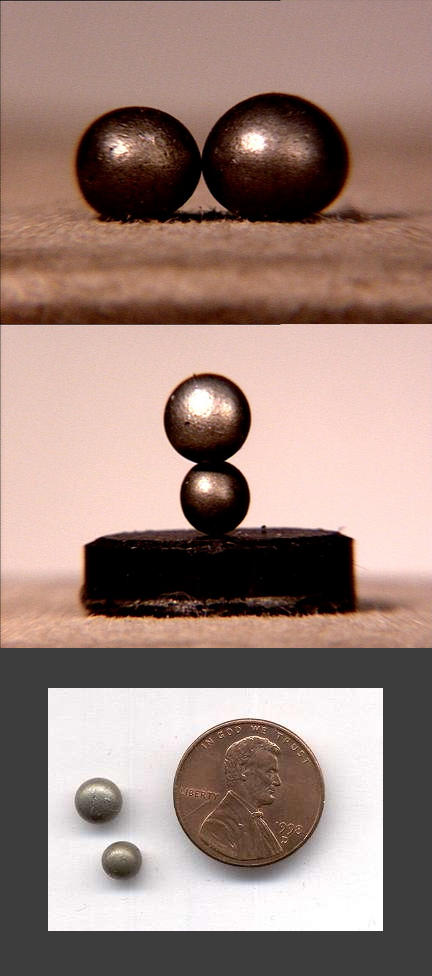
's rarely found in nature - these electrolytic cobalt spheres are from the heterogenite mines found at Shaba, Republic of the Congo. The balancing act (larger image, center) shows the two spheres on a magnet. Thanks to Thomas Bee's auction on eBay for the specimen and the image! |
|
| Row 5 |
|---|
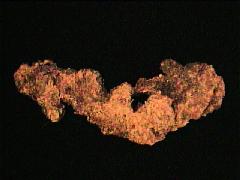 Copper
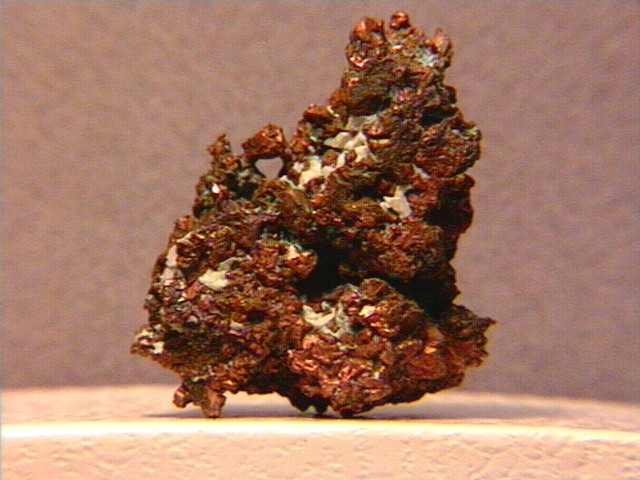
Michigan's Keweenaw Peninsula is the most important locality in the world for pure native copper. This large cabinet specimen also has some aurichalcite and green calcite on it. Thanks to Great South Gems & Minerals for the specimen! |
|
 Copper
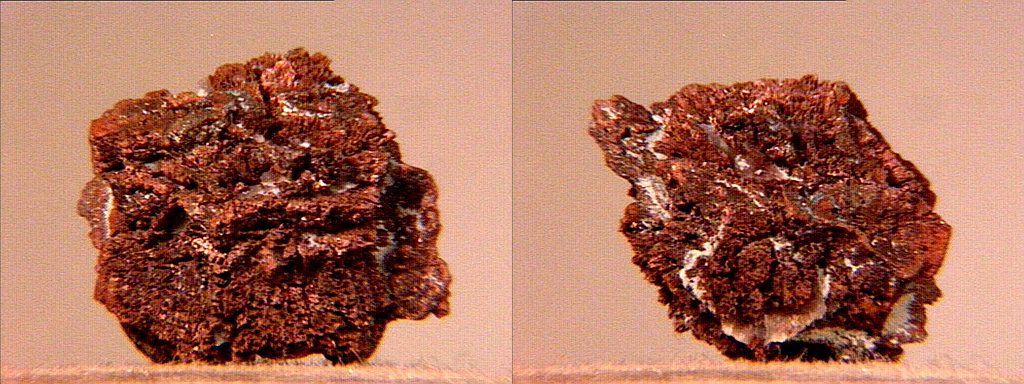
More copper - this miniature's from Arizona (either Bisbee or Jerome). Thanks to Robert Winfree's auction on eBay for the specimen! |
|
 Copper
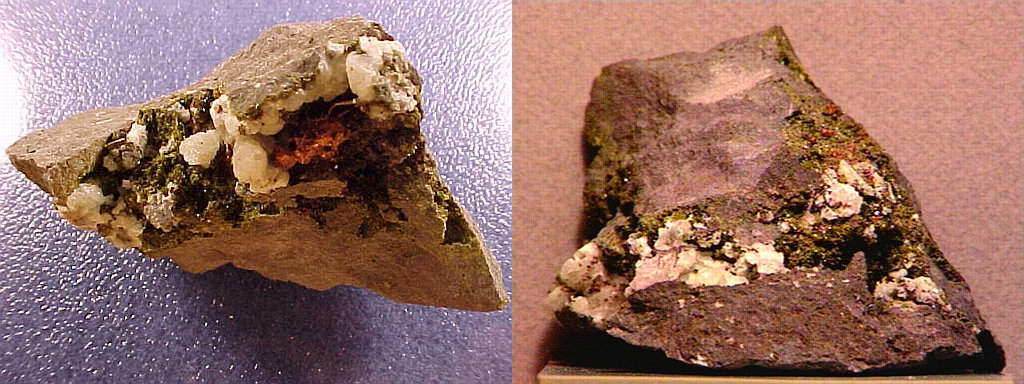
A very pretty cabinet piece of copper, epidote, and calcite from Michigan's Keweenaw Peninsula. Thanks to Roger Hoek at ARCH Mineralsfor the specimen and the image! | |
|
| Row 6 |
|---|
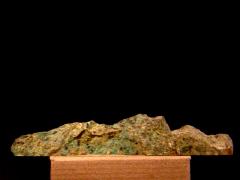 Copper
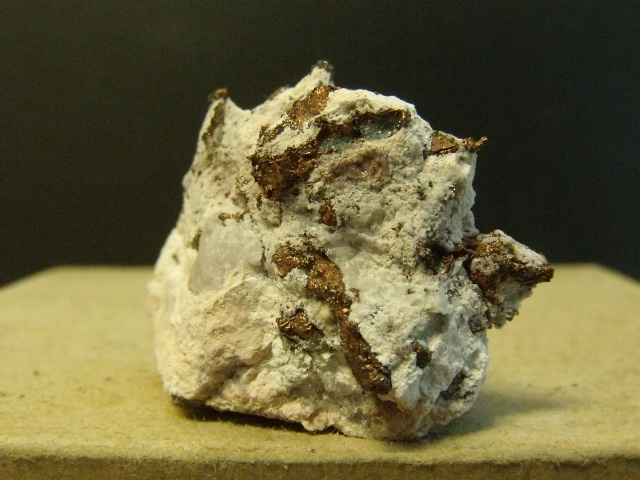
A pretty half-slab of copper in basalt from Québec, Canada. Thanks to Ken DeMary's auction on eBay for the specimen and the image! | ;
|
 Copper
in Selenite
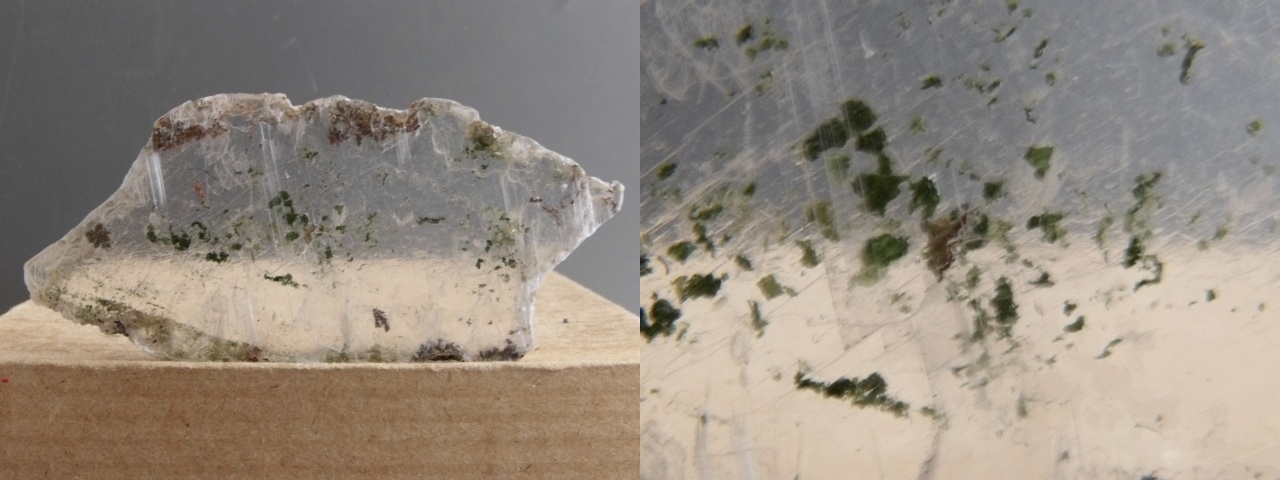
A beautiful miniature of copper flakes in selenite from arguably the type locality for these - the Mission Mine, Mission complex, San Xavier, Sierrita Mts, Pima County, Arizona. My poor photos don't do it justice! Thanks to Andrew & Katherine Duarte's auction on eBay for the specimen! |
|
 Copper
in Calcite
An excellent miniature of copper in calcite from the Mamainse Point area, Algoma District, Ontario, Canada. Most of the specimens from this area have not been etched to expose the copper. Thanks to Kerry Day's (Kaygeedee Minerals) auction on eBay for the specimen! |
|
| Row 7 |
|---|
 Copper
"Patricianite"
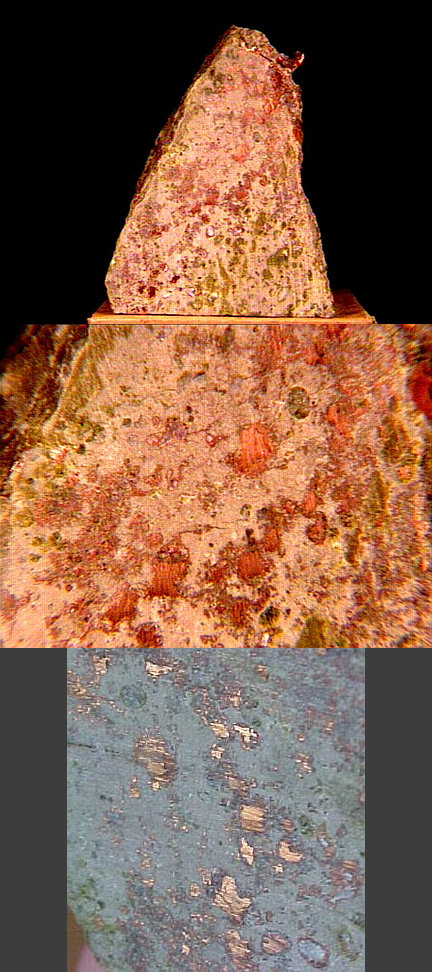
Copper flakes in compacted chlorite with prehnite veins from Keweenaw County, Michigan is often called "patricianite" and is used for making jewelry. Thanks to Sharon Burnett's auction on eBay for the specimen and the image! |
|
 Copper
after
Aragonite
This is an interesting thumbnail of copper after aragonite from the (essentially the type locality for this pseudomorph) San Agustín Mine, Corocoro, Pacajes, La Paz, Bolivia. Thanks to Danny Bentley's auction on eBay for the specimen! |
|
 Copper
after
Aragonite
From the same locale - a Moroccan-like aragonite "sputnik" mostly replaced by copper. Thanks to Mike Basal's (From My Collection To Yours) auction on eBay for the specimen and the image! |
|
| Row 8 |
|---|
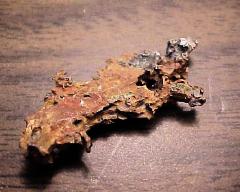 Copper Silver
Aggregate
Often, in Michigan, copper and silver occur together in a "halfbreed" aggregate (miniature). Thanks to Art Day's auction on eBay for the specimen and the image! |
|
 Copper, var.
Whitneyite
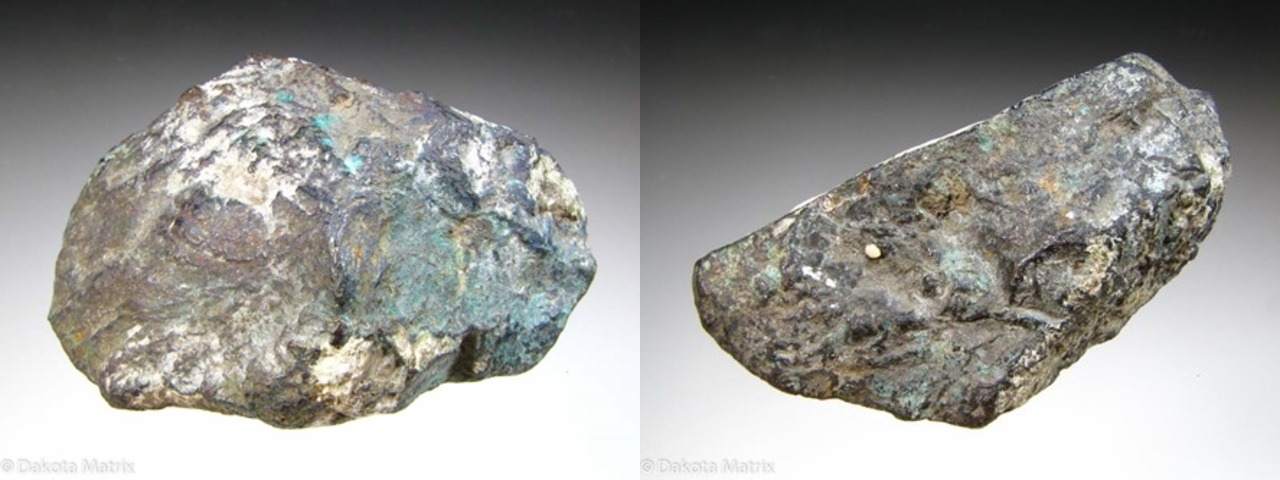
A 5cm nugget of whitneyite (arsenical copper) from Keweenaw County, Michigan. The arsenic content can range up to 11.5%. Ex: Phillips Collection and it has a $64 Thomas M. Bee, Topaz-Mineral Exploration tag. Thanks to Tom & Vicki Loomis at Dakota Matrix Minerals for the specimen and the images! |
|
 Copper-Zinc Alloy
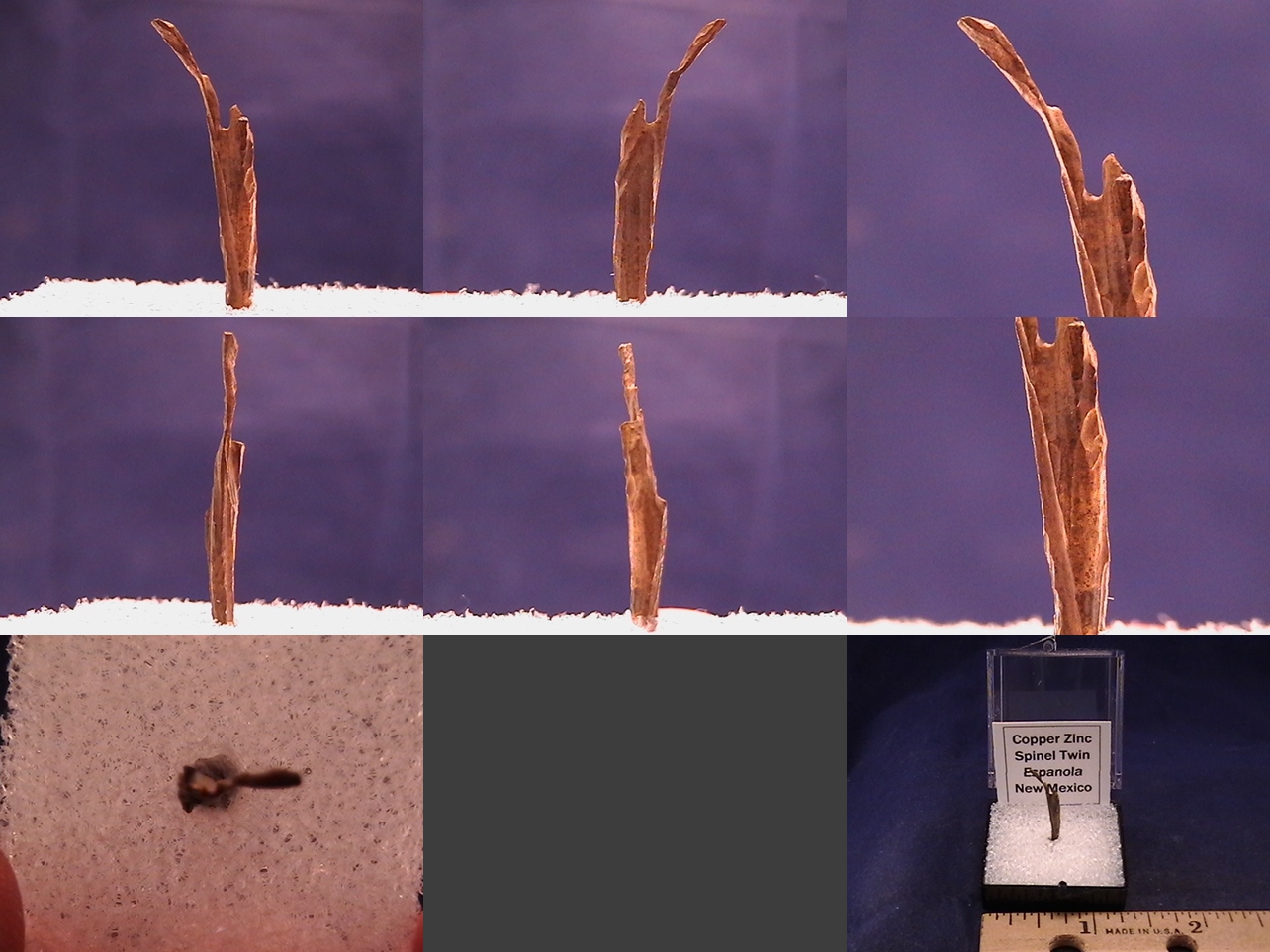
This is a fascinating copper-zinc twinned spinel crystal from Espanola, New Mexico. I do not know if it's natural or man-made - Espanola is not in MinDat's database. An X-ray fluorescence (XRF) analysis from the Colorado School of Mines shows it contains 54% copper, 45% zinc with traces of iron and lead. Thanks to Kevin Boulter's auction on eBay for the specimen and the images! |
|
| Row 9 |
|---|
 Diamond
Yes, a real diamond (0.14 ct) - with a graphite inclusion. A beautiful sharp-edged octahedron from Sierra Leone, Africa. I've included it here rather than with the gemstones since it's essentially uncuttable. It's polymorphic with chaoite, graphite, and lonsdaleite. Thanks to Tom at Shamrock Crystals for the specimen and the image! | |
|
|
 Diamond
A beautiful cubic yellow diamond with textured faces from the alluvial diamond deposits in the Kasai River, Tshikapa, Western Kasai Province,
Congo. Nitrogen trapped within the diamond lattice causes the yellow color. Thanks to Eric Greene's (Treasure Mountain Mining) auction on eBay for the specimen and the images! | |
|
| Row 10 |
|---|
 Eugenite
One of the many silver amalgams, this micro of silvery eugenite aggregates on matrix comes from the Los Bordos Mine, Elisa de Bordos, Pabellón, Copiapó Province, Atacama Region, Chile. Thanks to Csanad Loranth's auction on eBay for the specimen and the images! |
|
 Ferrochrome
Though not found in nature, ferrochrome (and its related alloys) are very important to the steel-making industry. These "addition agents" either add desired elements to special-purpose steel or aid the manufacturing process. This silicon-bearing ferrochrome miniature (69.11% Cr, 5.32% C, 0.97%Si) is from Italy and is used to "block the heat", i.e, keep the carbon content at a specific level during the finishing period of the heat. The silicon reacts with the oxygen, preventing its reaction with the carbon. Thanks to Val Collins' auction on eBay for the specimen! |
|
 Ferromolybdenum
Like ferrochrome, ferromolybdenum is not found in nature, but it's equally important in steelmaking as a way to add molybdenum. This miniature is probably from the smelter at Preissac, Abitibi RCM, Abitibi-Témiscamingue, Québec, Canada. Thanks to Vince Olsovsky's auction on eBay for the specimen! |
|
| Row 11 |
|---|
|
|
 Gold
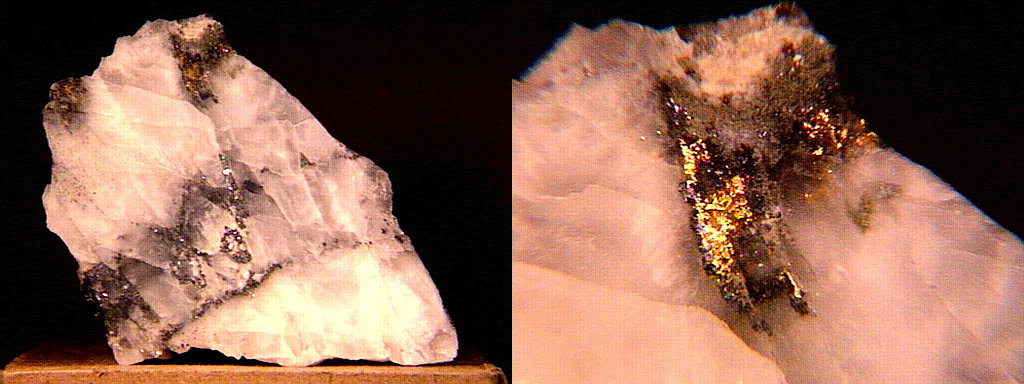
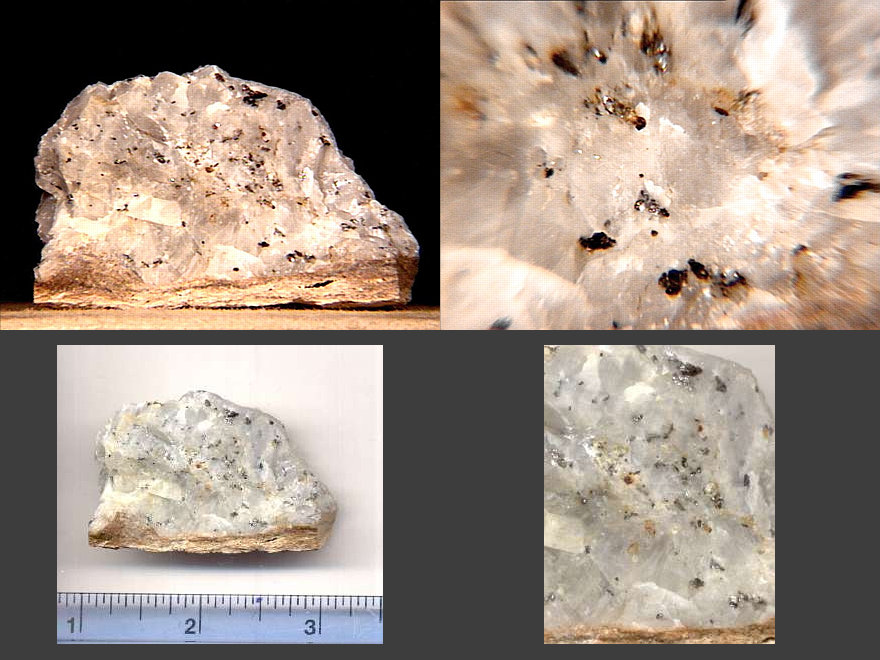
A miniature of gold and sulfides in a milky quartz matrix from the Idarado Tunnel, Ouray County, Colorado. Thanks to Tom & Vicki Loomis at Dakota Matrix Minerals for the specimen and the image! |
|
 Gold and
Ferberite
Small "sponge gold" masses with ferberite from the Julcani Mine, Huancavelica
Department, Peru. This is both an odd association and an odd locale - the Julcani Mine is a silver and bismuth mine. This miniature was one of only 200 or so specimens taken from this one pocket. Thanks to Mike Keim at Marin Minerals for the specimen and the images! |
|
| Row 12 |
|---|
 Gold, var.
Electrum
A micro of compacted electrum (a natural gold-silver alloy) crystals from Georgetown, Etheridge Shire, Queensland, Australia. The composition varies widely - from 20:80 to 80:20 gold:silver - this specimen is probably more silver than gold. Thanks to Tom & Vicki Loomis at Dakota Matrix Minerals for the specimen and the images! |
|
|
 Graphite
Sometimes graphite occurs in small crystals in calcite as in this miniature from the Gouverneur Talc mine near Lake Bonaparte, Lewis County, New York. Thanks to Dave Hayward at Lucky Strike Minerals for the specimen! |
|
| Row 13 |
|---|
 Graphite
A nice micro of graphite crystals in calcite from the Namib Lead Mine, Swakopmund, Swakopmund District, Erongo Region, Namibia. Thanks to Paolo Bracci's auction on eBay for the specimen and the image! |
|
 Graphite
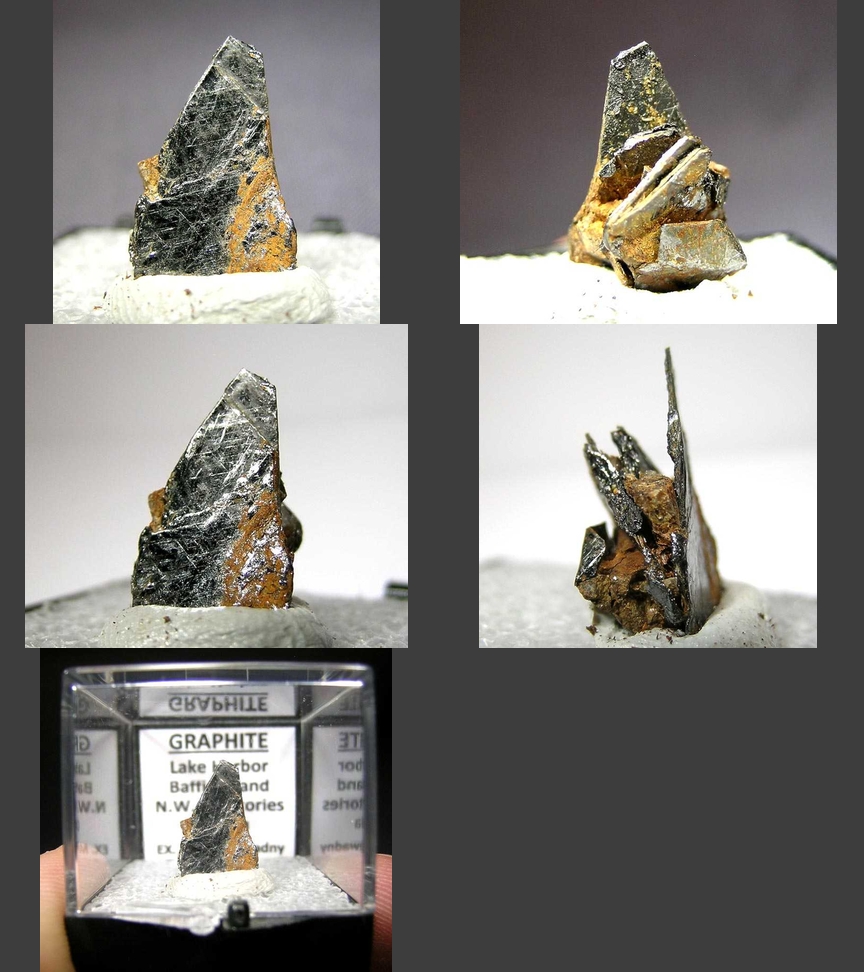
An excellent thumbnail of sharp crystalline graphite on matrix from Kimmirut (Lake Harbour), Baffin Island, Nunavut Territory, CanadaEx: Martin Lewadny Collection.. Thanks to Brian McManus' auction on eBay for the specimen and the images! |
|
|
| Row 14 |
|---|
 Graphite, var.
Mylonized Graphite
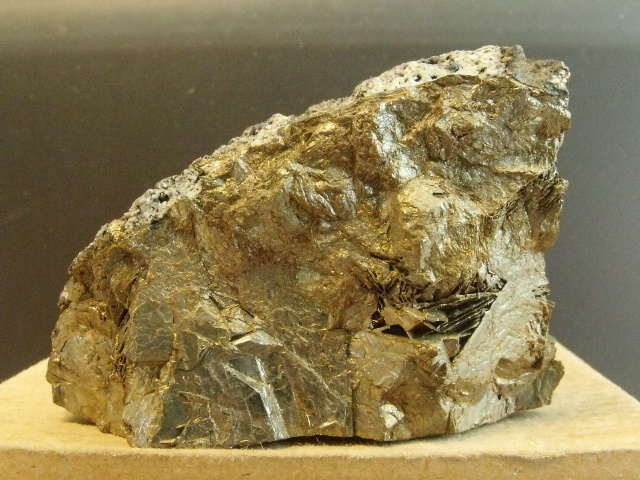
When a mineral (or rock) is compressed and sheared, it's said to be mylonized. This small-cabinet specimen of mylonized graphite (also called post-graphite) comes from a fault line in eastern Tennessee. It's now much harder than normal graphite - highly cold-compressed graphite has been known to crack diamond anvils! Thanks to Mike Sproles' auction on eBay for the specimen and the images! |
|
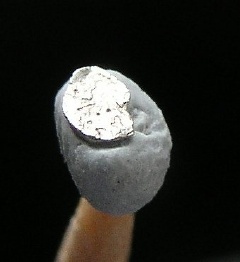 Iridium, var.
Osmiridium
Osmiridium is the osmium-rich variety of native iridium. The analysis (average of five), done by the Geology Department at New Orleans Univerity is as follows: Os 57.89%, Ir 40.11%, Pt 0.87%, Ru 0.33%, Rh 0.25%, Fe 0.87%. This micromount comes from arguably the type locality of the Nizhne-Tagil'skoye Copper Deposit, Sverdlovskaya Oblast', Russia. Thanks to Dave Harris' auction on eBay for the specimen and the image! Thanks also to Erich Laskowski for the verification of the locale! | |
|
 Iron
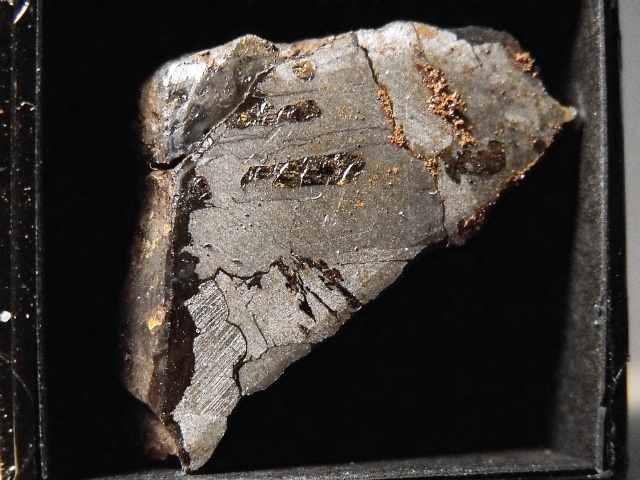
A triangular sawn-cut miniature of native iron from the Khungtukun Massif, Malaya Romanikha River, Khatanga, Taimyr Peninsula, Siberia, Russia.Terrestrial iron is very rare - it either rusts away or makes other iron compounds. Thanks to Kyle Smith's auction on eBay for the specimen and the images! |
|
| Row 15 |
|---|
 Iron, var.
Kamacite
An excellent micro of kamacite (the nickel-rich variety of iron found in meteorites) from the Canyon Diablo meteorite found near Meteor Crater and vicinity, Winslow, Coconino County, Arizona. Some references discredit kamacite but others do not, stating that kamacite is the main componennt of nickel-iron meteorites. Kamacite's crystal grain boundaries create the famous Widmanstatten pattern seen on etches surfaces of such meteorites.. Thanks to Kristen Burgess' auction on eBay for the specimen! | |
|
 Isoferroplatinum
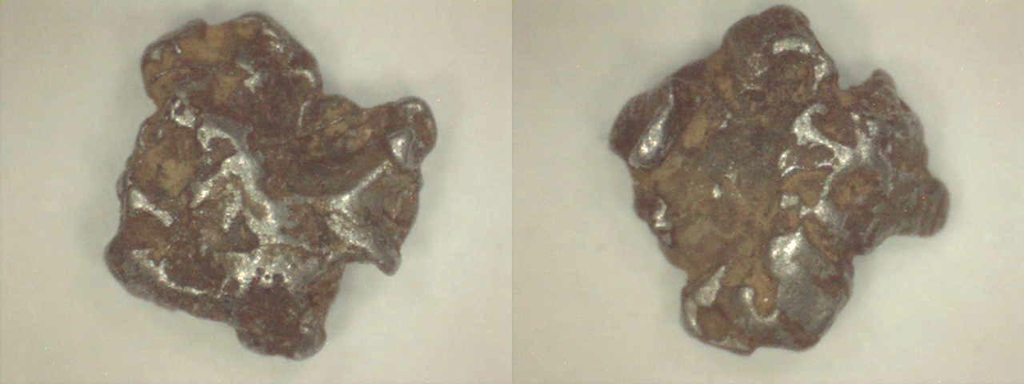
A 2.5mm nugget of isoferroplatinum (a natural platinum-iron alloy) from the Salmon River, Red Mountain District, Goodnews Bay, Bethel Borough, Alaska. The brown color is a thin coating of secondary minerals, typically PGE sulfarsenides. Thanks to Christopher Barrett's auction on eBay for the specimen and the images! |
|
 Landsbergite
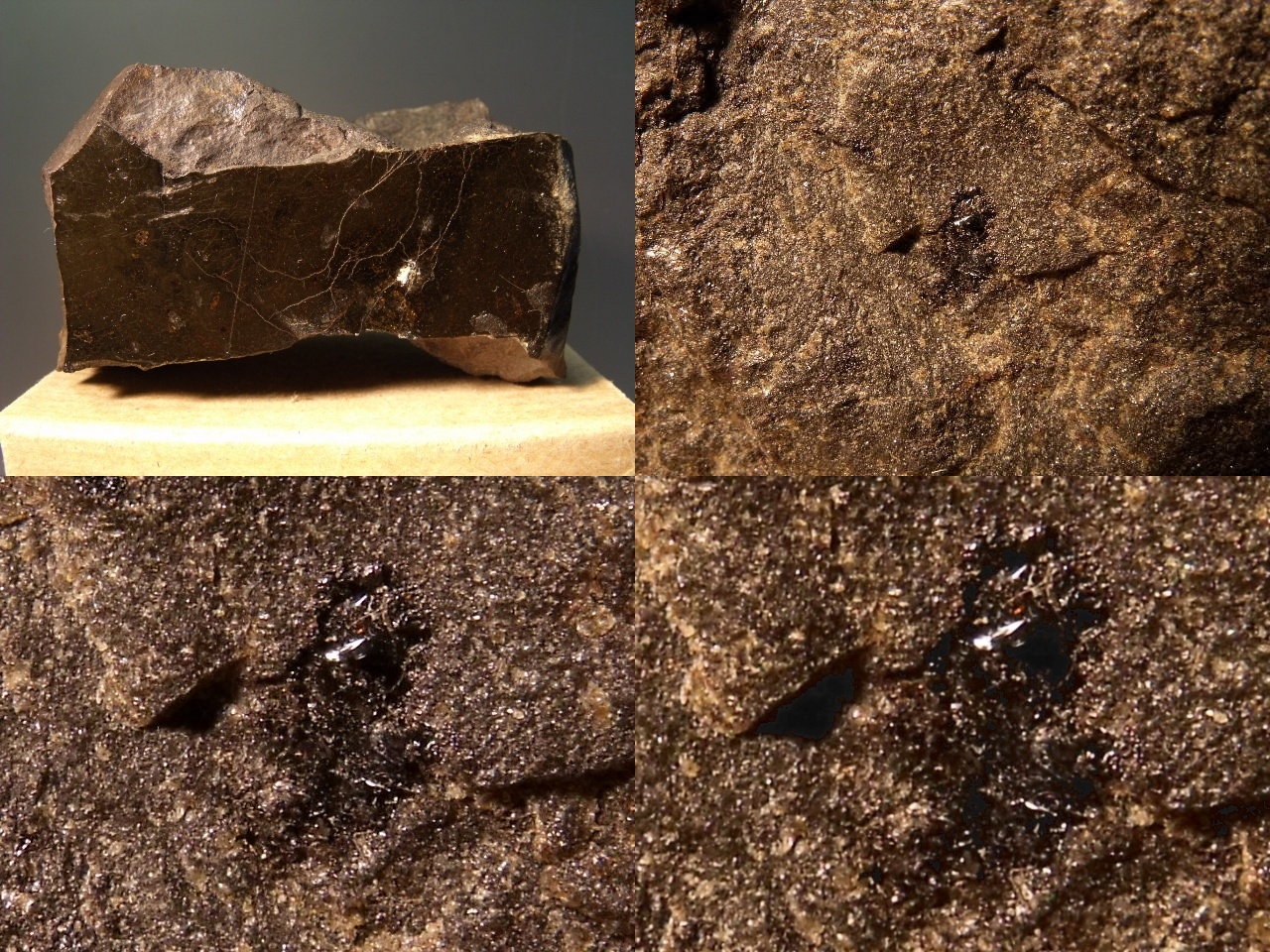
This silver-mercury amalgam is purportedly landsbergite - the tag (Ex: Scott Williams Collection) says Landsberg, Germany - though landsbergite is not listed in most references. It has the composition Ag3Hg4 and is also called "argental mercury" - some references give Ag3Hg8. It's a granular massive with one polished face and the closeups (larger image, bottom row) show a vug with larger, gemmy, deep red crystals. Thanks to Tony Nikischer's Excalibur Mineral Company auction on eBay for the specimen! | |
|
| Row 16 |
|---|
 Lead
Lead rarely occurs in its elemental form - this rare miniature from Garpenberg Norra, Hedemora, Dalarna, Värmland, Sweden has a thin sheet of lead on a manganite matrix. This locale has only produced specimens since the mid 1990s. Thanks to SoCal Nevada's auction on eBay for the specimen! |
|
 Magnesium
's far too reactive to occur naturally - this is a manmade cluster. Thanks to North Star Minerals's table at the 2004 Carnegie Gem & Mineral Show for the specimen! |
|
 Moissanite
Approximately 1cm of synthetic transparent moissanite (silicon carbide) - the low-temperature (beta-cubic form) does occur in nature but mostly in meteorites (e.g., Canyon Diablo, 1905, the type locality), and rarely elsewhere (Green River formation, Wyoming, 1958). The high-temperature (alpha-hexagonal) form is even more rare - it's only been found in kimberlites, some in Russia and one in Bohemia. The synthetic alpha-silicon carbide is marketed as moissanite for jewelry as a diamond substitute - it's doubly refractive and fluorescent so it can readily be distinguished form diamond (though NOT with the currently-in-use thermal probes; silicon carbide's thermal conductivity is close enough to diamond's that the probe test is unreliable). The double refraction limits moissanite's faceted carat weights to one carat or so; the doubled back facets on larger gems gives them a very noticeable and unwanted "sleepy" appearance. Thanks to SoCal Nevada's auction on eBay for the specimen and image! |
|
| Row 17 |
|---|
 Molybdenum
 is rarely found in nature and then only in isolated micron-sized grains. This thumbnail of molybdenum crystals on ceramic was made by accident in a vacuum furnace. Thanks to James Fountas' auction on eBay for the specimen! |
|
 Moschellandsbergite
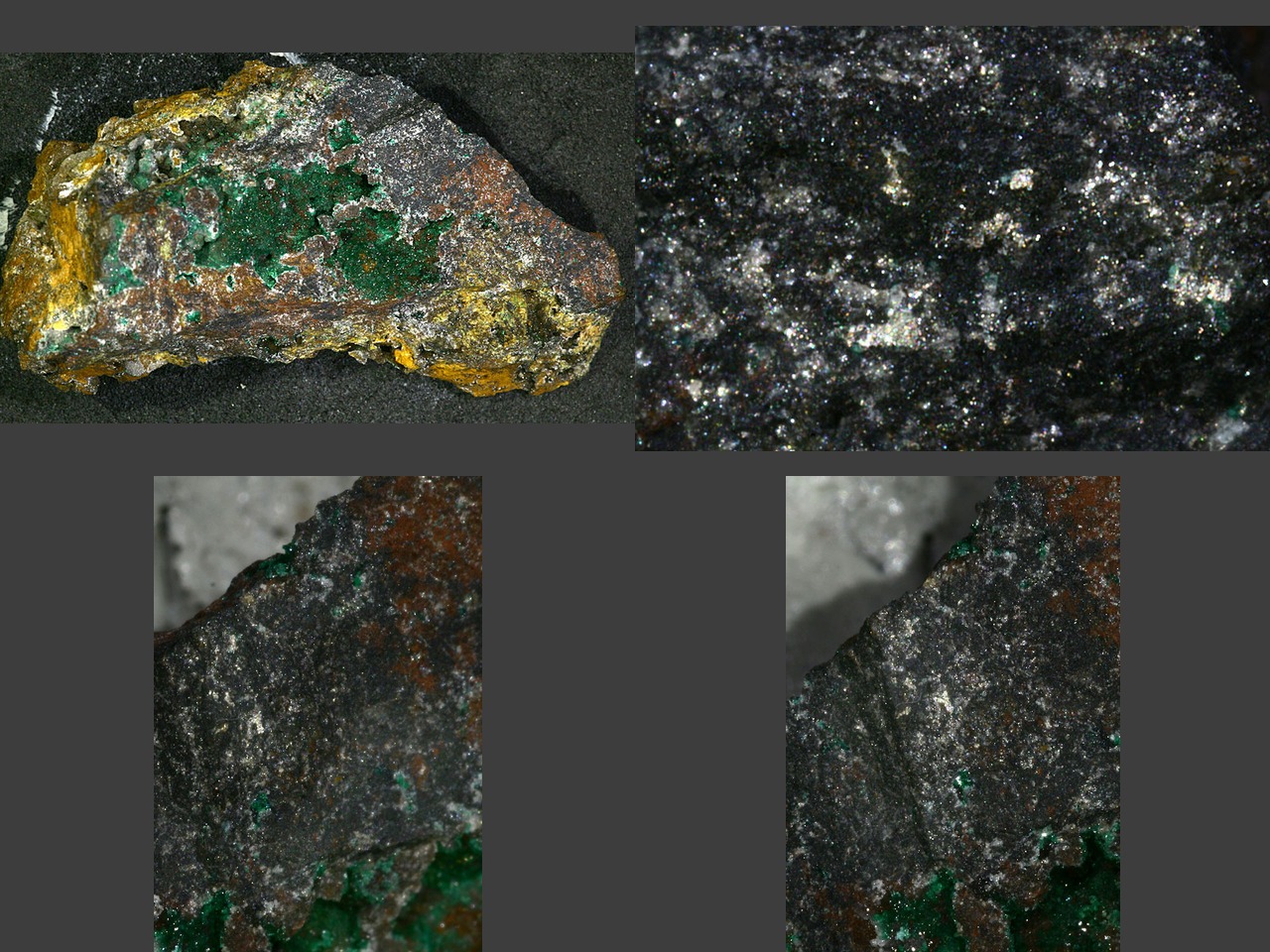
A beautiful miniature of silvery moschellandsbergite (a natural silver amalgam) with green malachilte and black mercurian tetrahedrite (schwazite) on matrix from the Adolf Mine, Rudabánya, Rudabányai Mts, Borsod-Abaúj-Zemplén County, Hungary. Thanks to Gabor Koller's auction on eBay for the specimen and the images! |
|
 Nickel
A beautiful miniature cluster of nickel crystals from a nickel-plating tank, possibly Idar-Oberstein in Germany in the 1950s. In nature, nickel occurs only as submillimeter rounded crystals. Thanks to Shava J. Spector-Simmons' auction on eBay for the specimen and the image! |
|
| Row 18 |
|---|
 Platinum
A small (6 cubic millimeters) grain of platinum from Fox Gulch, Goodnews Bay, Bethel County, Alaska. Thanks to Amethyst Galleries, Inc. for the specimen and the image!
Image copyrighted by Amethyst Galleries, Inc. |
|
 Platinum
An excellent 0.40gm platinum cube from the Second Broad river in Rutherford County, western North Carolina. Thanks to Bryon Wolfe's auction on eBay for the specimen! |
|
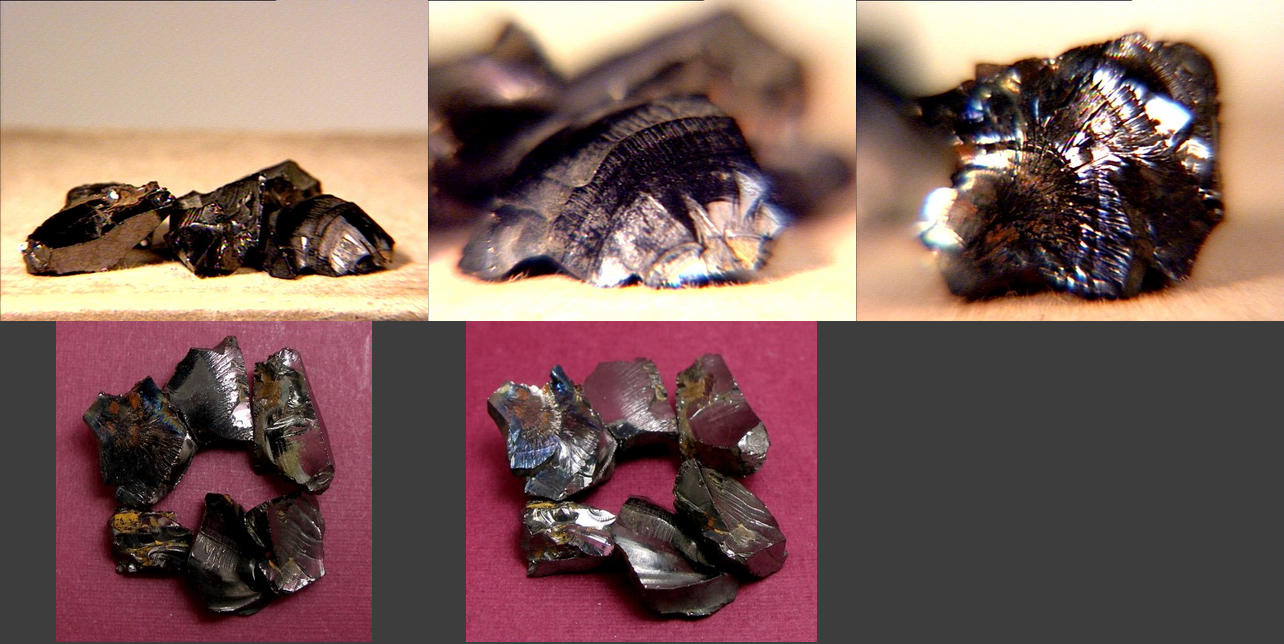
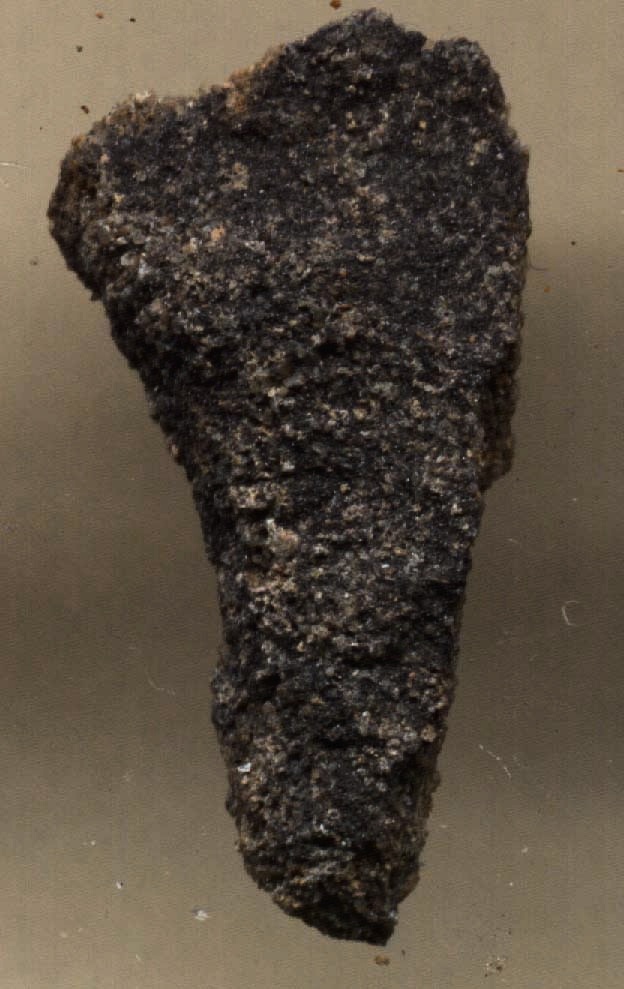
 Shungite
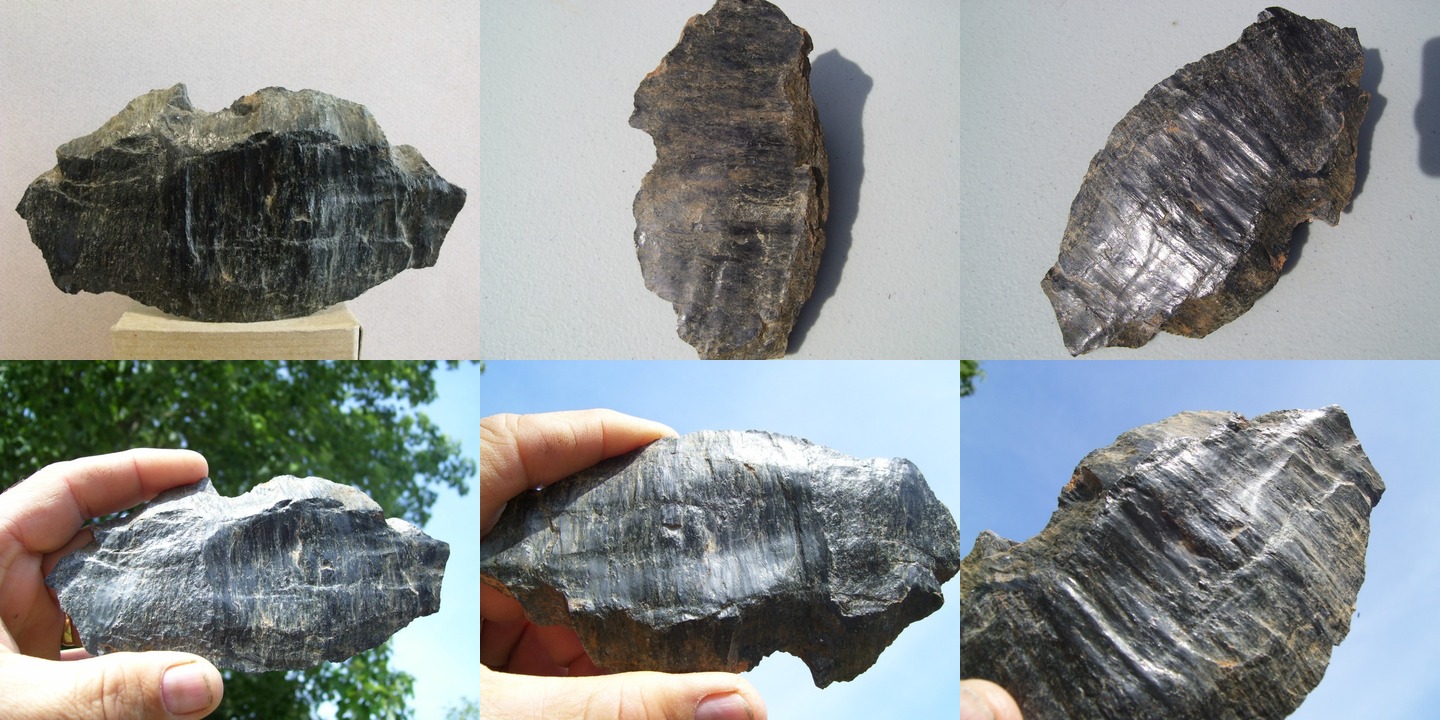
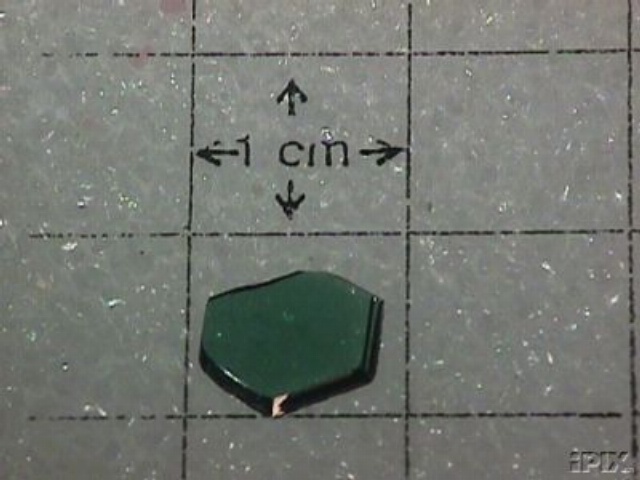
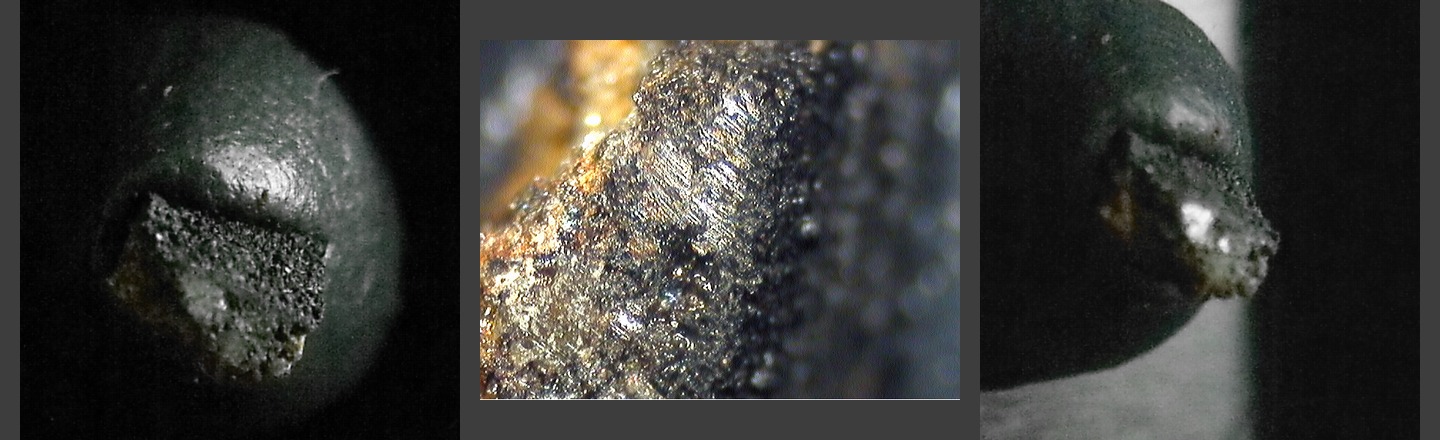
 (schungite) is an amorphous carbon mineral containing fullerenes (C60 and C70) and widely dispersed silicate grains - this group of shungite pieces is from the co-type locality, the Zazhoginskoye deposit near Lake Onega in the Shunga River area in the Karelia Republic, Northern Region, Russia. It's used as a superior quality cool black pigment by artists. There's enough shungite available that it may also be used in industrial applications, replacing coke, graphite, and carbon black. Thanks to Annie Goldman's auction on eBay for the specimen and the images! | |
|
| Row 19 |
|---|
 Selenium
A very rare thumbnail of selenium on sandstone from Poison Canyon, Grants District, McKinley County, New Mexico. Ex: Bachman collection. Thanks to Steve & Susan Bringe's (Summit Minerals) auction on eBay for the specimen and the image! |
|
 Siderazot
 (from the Greek words for iron and nitrogen) is one of the iron nitrides - it occurs here, in this thumbnail from Monte Somma (Mount Vesuvius, Novella Quarry), Naples Province, Campania, Italy, as silvery coatings on basalt. Thanks to Thomas Bee's auction on eBay for the specimen! |
|
 Silicon
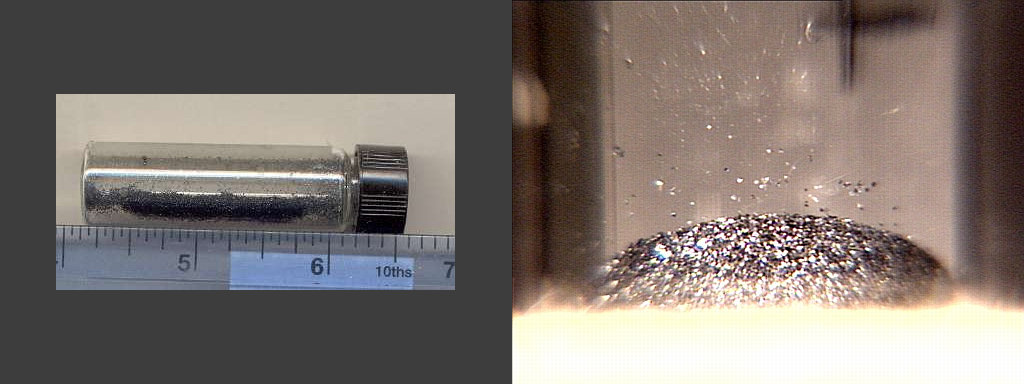
 - the basic building block of quartz and the silicates. The larger picture (right) shows the frost-like growth of the contact surface. |
|
| Row 20 |
|---|
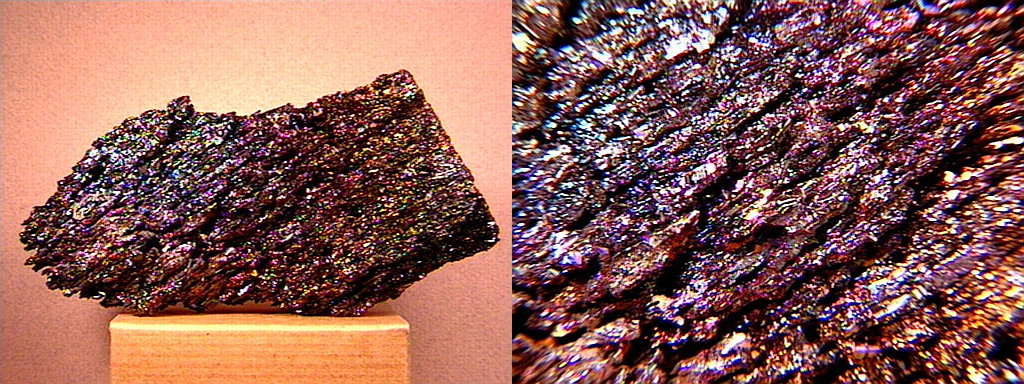
 Silicon Carbide
This synthetic silicon carbide (essentially moissanite with a high-iron content) comes from a steel blast furnace in Poland. The hardness is 9.5 and the individual crystals are razor sharp! |
|
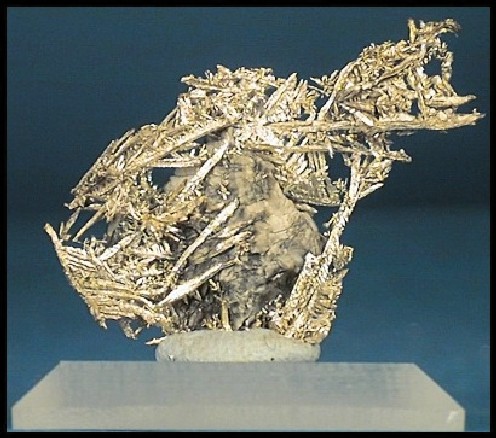
 Silver
Most specimens are tarnished a lot more than this wire silver on quartz matrix from one of the many silver mines in Batopilas, Chihuahua, Mexico. Thanks to Rick Green at Uniquely Crystalline for the specimen and the image! |
|
 Silver
Two large miniatures of silver in matrix from (possibly the McKinley-Darragh Mine), Cobalt, Timiskaming County, Ontario, Canada. Thanks to Mike Keim at Marin Minerals for the specimen and the image! |
|
| Row 21 |
|---|
 Silver, var.
Kongsbergite
Silver containing up to 5% mercury is called kongsbergite - this thumbnail is from the Imiter Mine, Dades Region, Morocco. Thanks to Graeber & Himes' table at the 2002 Carnegie Gem & Mineral Show for the specimen! |
|
 Silver-Mercury
Amalgams
In addition to kongsbergite, there are many other silver-mercury amalgams; (luanheite, eugenite, paraschachnerite, and others) on the silver sheet connecting the matrix pebbles in this extremely rare specimen (nature's tooth fillings) from the Pereval'noe Mine, Khachakchan silver deposit, Yakutia, Eastern Siberia, Russia. Thanks to Ivan Koutyrev's auction on eBay for the specimen and images! | |
|
 Sulfur
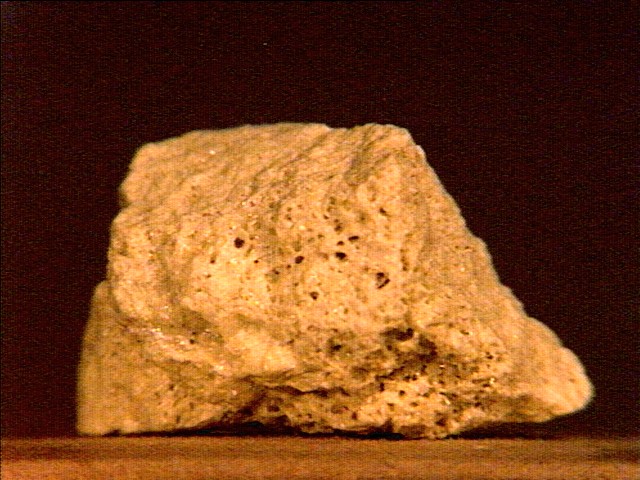
, its own ore, on rhyolitic tuff - probably Mexican. Sulfur is a polymorph - it normally occurs as orthorhombic α (alpha)-sulfur. The monoclinic form is γ (gamma)-sulfur or rosickyite - the amorphous form is sulfurite. |
|
| Row 22 |
|---|
 Sulfur
An excellent miniature of sulfur of matrix from the famous Steamboat Springs, Washoe County, Nevada. Thanks to Marvin Schwalb's auction on eBay for the specimen! |
|
 Sulfur
A miniature of amorphous sulfur on a volcanic matrix from (probably) Mount Vesuvius, Italy. Thanks to Lynda McDowell's auction on eBay for the specimen! |
|
 Sulfur
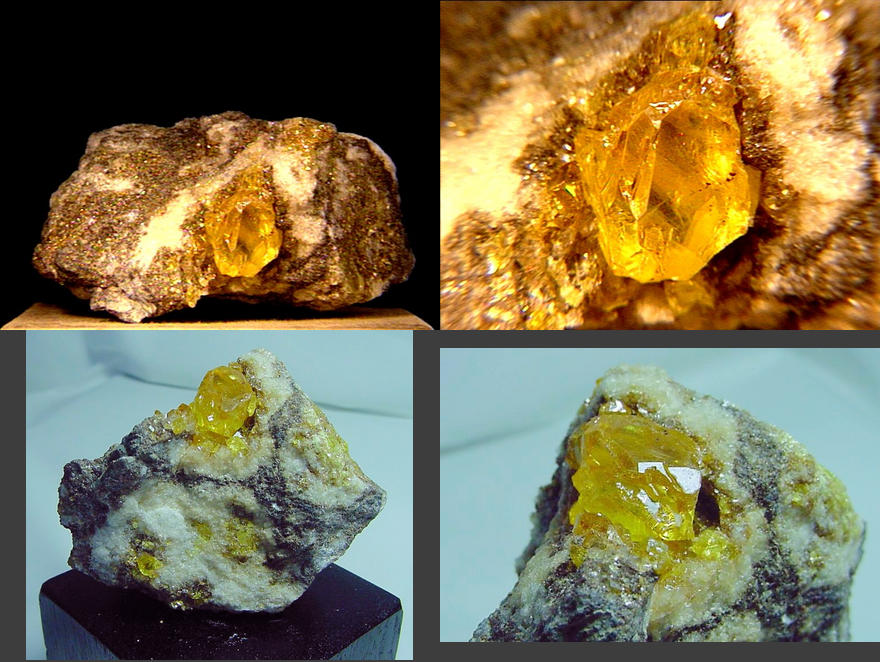
A beautiful miniature of gemmy sulfur crystals on matrix from Bolivia, probably the El Desierto mine, San Pablo de Napa, Daniel Campos Province, Potosí Department. Thanks to Nature's Expressions' table at the 2004 Carnegie Gem & Mineral Show for the specimen! | |
|
| Row 23 |
|---|
 Sulfur
A gemmy 2cm crystal of sulfur on matrix (miniature) from the Vodinskoye Deposit, Samaraskaya Oblast', Povolzhsky Region, Russia. Thanks to John Hall's auction on eBay for the specimen and the images! | |
|
 Sulfurite, var.
Arsensulfurite
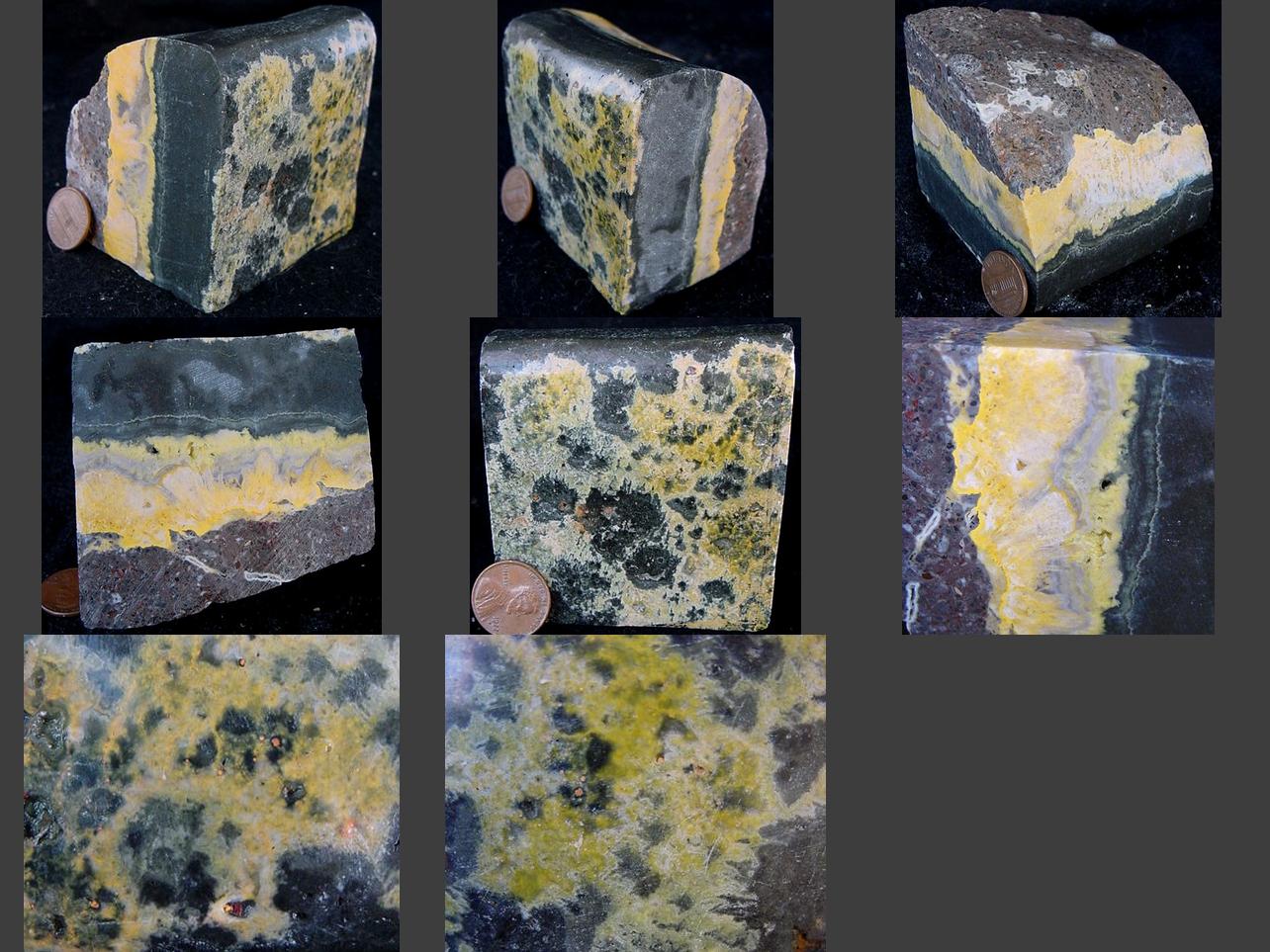
A beautiful small cabinet specimen of stratified arsensulfurite (the arsenic-rich variety of sulfurite) from the type locality of the crater of the Papandagan volcano, Java, Indonesia. Sulfurite is the amorphous polymorph of sulfur - it occurs when liquid sulfur is rapidly cooled. Thanks to Donna Stowell's auction on eBay for the specimen and the images! | |
|
|
| Row 24 |
|---|
 Tantalcarbide
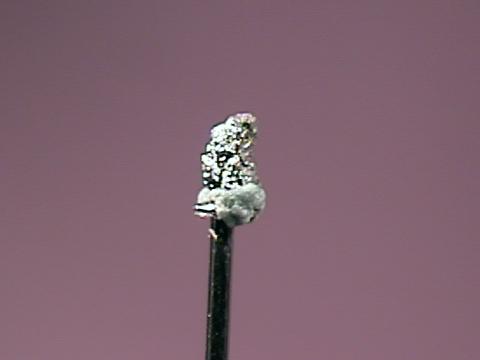
Once thought to be native tantalum, these are submillimeter grains of very rare tantalum carbide from the Altai Mountains of Russia. It forms an incomplete series with niobocarbide, its tantalum analog. Thanks to Thomas Bee's auction on eBay for the specimen and the image! |
|
 Tetrataenite
 (an iron nickelide) is always meteoritic - this micro is from the meteorite at Nuevo Mercurio, Zacatecas, Mexico. It occurs as an almost 50-50 iron-nickel alloy in nickel-rich taenite. Thanks to Marco Poli's auction on eBay for the specimen and the close-up image! |
|
 Tin
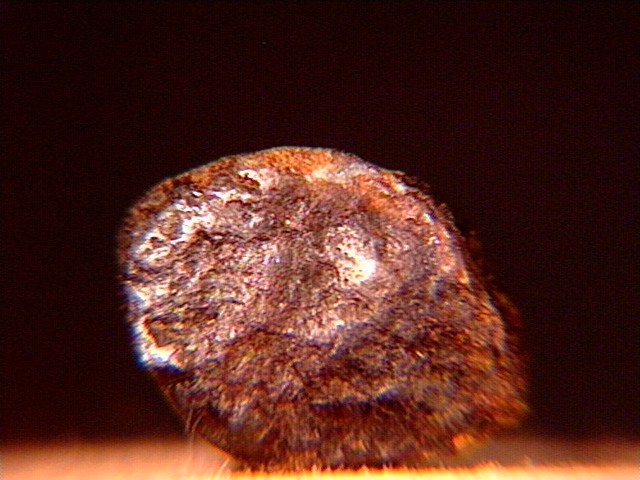
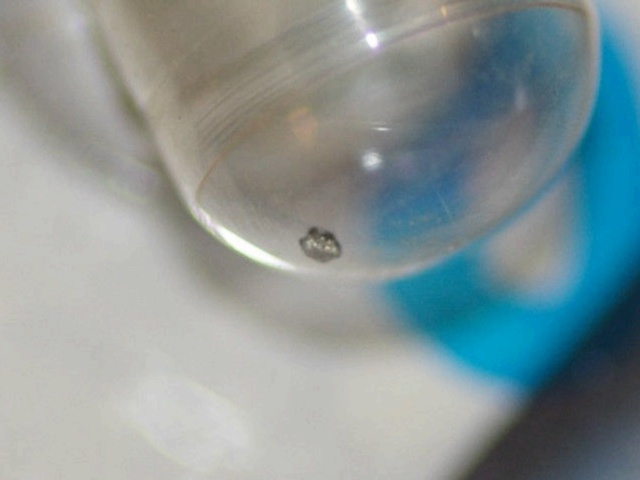
A tiny tin nugget in a capsule from the Neiva River, Nizhnii Tagil, Sverdlovskaya, Middle Urals, Russia. Native tin rarely occurs larger than millimeter-sized nuggets. Thanks to Walter Belyavov's auction on eBay for the specimen and the image! |
|
| Row 25 |
|---|
 Titanium
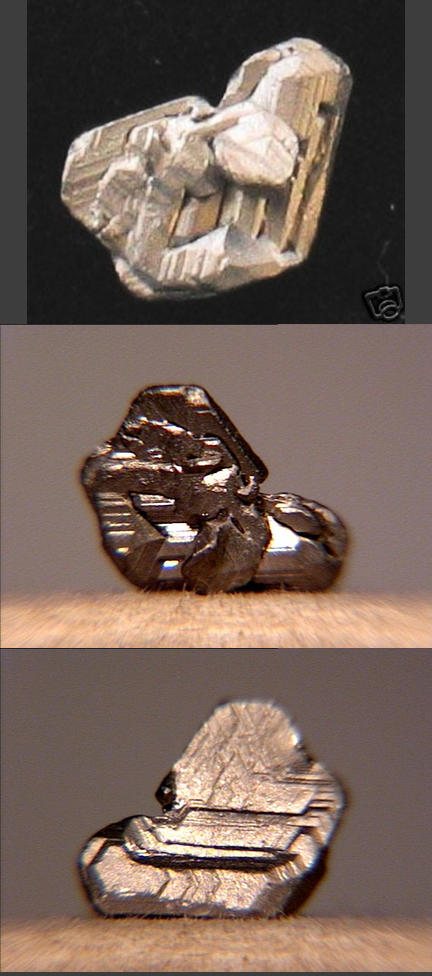
As mentioned above, titanium only occurs as microscopic crystals in high pressure environments - these crystal aggregates were electrolytically grown years ago. The larger image (bottom right) clearly shows their hexagonal form. Thanks to Thomas Leary's auction on eBay for the specimen! |
|
 Titanium
Supposedly native titanium from Norway, this thumbnail cluster of titanium crystals is more likely lab-grown. Thanks to Robert Williamson's auction on eBay for the specimen and the image! |
|
 Tongxinite
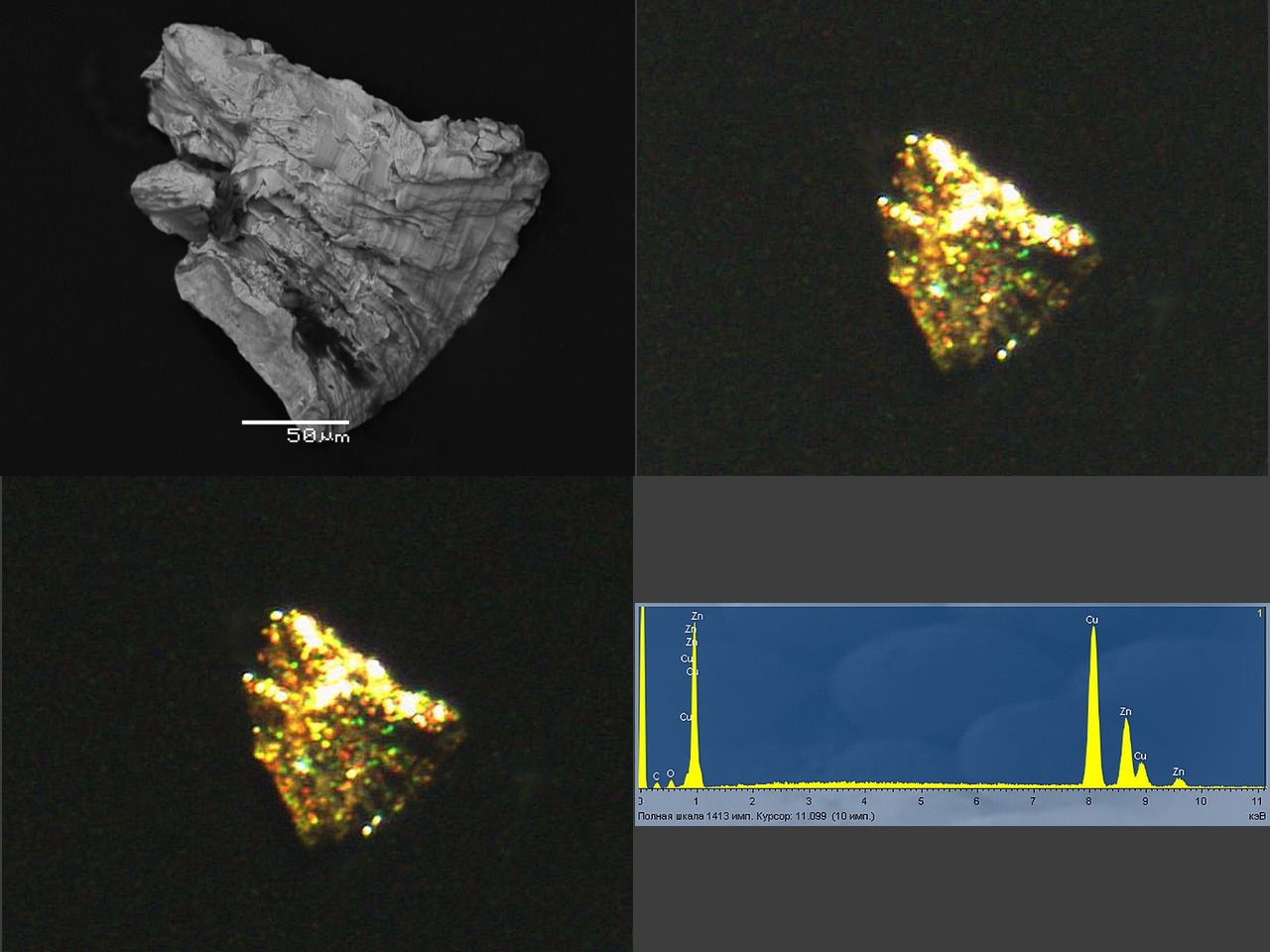
This is a golden micro-nugget of tongxinite (a natural copper-zinc alloy) from an unnamed copper deposit in the Khakassia Republic, Eastern-Siberian Region, Russia. The larger image shows the color and the microprobe analysis - Cu2.03Zn0.97. Thanks to Pavel Kartasov's auction on eBay for the specimen and the images! |
|